

Turkey Tail Mushroom Capsules
£20.00
- High Strength Turkey Tail Capsules for Immunity, Gut Health and General Wellbeing
- 15,000mg of Turkey Tail Mushroom Per Daily Serving*
- Potent 10:1 Extract, No Fillers or Additives
- 1 Month Supply: 90 x 500mg Capsules, 3 Daily (All At Once or Spaced Throughout the Day)
- Vegan Friendly Capsules: Clean & Plant Based
In stock


Additional information
Turkey Tail Mushroom Capsules — Nature’s Most Researched Functional Mushroom
Some fungi have centuries of traditional use behind them. Turkey Tail (Trametes versicolor) has that — and something rarer in the world of natural supplements: a substantial body of modern clinical research to back it up. Known as Yunzhi (云芝) in Traditional Chinese Medicine, this forest-dwelling polypore has been used as an immune tonic for over 2,000 years. Since the 1960s, researchers have isolated and studied its active compounds, producing a body of evidence that covers immune modulation, gut health, and adjunct support in serious illness.
Turkey Tail is not a superfood trend. It is one of the most studied medicinal mushrooms in existence, with over 40 clinical trials and multiple systematic reviews examining its primary active compounds. If you are looking for a mushroom supplement you can actually understand — one where the science tells a coherent story — Turkey Tail is the place to start.
What Turkey Tail Actually Contains
The therapeutic activity in Turkey Tail comes from two main protein-bound polysaccharide complexes: Polysaccharide-K (PSK) and Polysaccharopeptide (PSP). These are large molecules, around 100,000 Daltons, derived from the mushroom’s mycelium. PSK and PSP are chemically distinct — different strains, different amino acid profiles, different primary mechanisms — but both function as what researchers call Biological Response Modifiers: compounds that engage the immune system and help it regulate itself.
Beyond PSK and PSP, Turkey Tail contains high concentrations of beta-glucans — the fungal cell wall polysaccharides that drive much of the immune-supporting activity across the medicinal mushroom family. Research has recorded beta-glucan content in Trametes versicolor at 60.79%, placing it among the highest of any medicinal mushroom tested. Additional phenolic compounds including gallic acid, caffeic acid, and p-coumaric acid contribute antioxidant activity. Triterpenoids and sterols round out a complex phytochemical profile that goes well beyond what a single extracted compound could provide.
How Turkey Tail Supports the Immune System
The beta-glucans and protein-bound polysaccharides in Turkey Tail engage pattern-recognition receptors on immune cells — primarily macrophages, dendritic cells, and natural killer (NK) cells. PSK acts as an agonist for Toll-like receptor 2 (TLR2), activating dendritic cells and promoting the maturation of cytotoxic T-cells. PSP engages multiple TLR pathways including TLR4, TLR5, and TLR6, triggering a broad innate immune response.
The result is a coordinated activation rather than a crude stimulation. Macrophages increase phagocytic activity. NK cells — which play a frontline role in identifying and destroying abnormal cells — show significantly enhanced function in studies with both PSK and PSP. The body’s immune surveillance improves without the inflammatory overstimulation that makes aggressive immune boosters problematic for everyday use. This is immunomodulation: calibrating the system rather than forcing it.
Turkey Tail and Gut Health
A compelling and distinct area of Turkey Tail research focuses on the gut. PSP resists digestion in the upper gastrointestinal tract and reaches the colon intact, where it acts as a selective prebiotic — feeding beneficial bacteria rather than introducing them.
A randomised controlled trial by Pallav et al. gave healthy volunteers PSP for eight weeks and analysed their stool microbiome using advanced microbial ecology methods. The results were clear: Bifidobacterium and Lactobacillus populations increased significantly. Populations of Clostridium, Staphylococcus, and Enterococcus — bacteria associated with gut disruption — decreased. These changes were stable over the eight-week period and distinctly different from the disruptive effects of antibiotics in the comparison group.
This prebiotic action produces short-chain fatty acids (SCFAs) — acetate, propionate, and butyrate — through fermentation. Butyrate is the primary fuel source for colonocytes, the cells that line the colon, and plays a critical role in maintaining gut barrier integrity. A stronger gut barrier means less systemic inflammation and a more resilient digestive environment.
In practical terms, Turkey Tail supports bowel regularity, reduces bloating, and helps restore microbiome balance after disruption. An 8-week trial involving 56 participants with mild digestive complaints found significant improvements in bowel regularity and digestive comfort with Turkey Tail supplementation.
The Evidence Behind Turkey Tail
It is worth being honest about the difference between the clinical evidence for Turkey Tail and for most wellness supplements. Most supplements on the market have limited human data at best — a handful of small observational studies, animal models, or in vitro findings that do not translate clearly to human use. Turkey Tail is in a different category.
Standardised extracts of PSK and PSP have been studied in over 40 clinical trials, including multiple randomised controlled trials, several meta-analyses, and a Cochrane systematic review. The strongest evidence relates to adjunctive use alongside conventional cancer treatment — particularly colorectal, gastric, and lung cancer — where PSK has demonstrated improvements in survival rates in multiple large trials. This includes a landmark study of 2,006 patients with gastric cancer showing improved five-year overall survival (70.7% versus 65.5%) and a meta-analysis of 13 RCTs in colorectal cancer reporting a 29% reduction in risk of death with PSK adjuvant therapy.
This level of evidence is unusual for any natural supplement. It does not mean Turkey Tail treats or prevents cancer — it does not, and no food supplement can make that claim legally in the UK. What it does mean is that the immune-modulating and gut-supporting properties of these compounds are robustly documented at a mechanistic and clinical level.
For everyday wellness use — immune support, gut health, microbiome maintenance — the evidence base is solid at the Grade B level: multiple well-designed trials demonstrating consistent, reproducible effects.
Fruiting Body vs Mycelium: Why It Matters
The supplement market is full of mushroom products that use mycelium grown on grain substrate rather than the mushroom’s fruiting body. This distinction matters for Turkey Tail because the fruiting body generally contains a higher concentration of the active beta-glucans and protein-bound polysaccharides than mycelium-on-grain products.
Myceliated grain products can contain significant quantities of residual grain starch, which dilutes the fungal content and can inflate beta-glucan test results — since standard testing methods cannot distinguish between fungal beta-glucans (the ones you want) and grain beta-glucans (filler). You can end up paying for starch, not mushroom.
High-quality Turkey Tail capsules should specify fruiting body source and provide third-party testing that verifies actual fungal beta-glucan content. Look for products that are transparent about their extraction method, standardisation, and supply chain. The best products use hot water extraction or dual water-alcohol extraction to capture the full range of bioactive compounds, including both water-soluble polysaccharides and fat-soluble triterpenoids.
Recommended Dosage
Clinical trials have used a range of doses depending on the application. For general immune support and gut health, research points to 1–3g of standardised extract daily. For more intensive supportive use in clinical settings, 3g per day of PSK or PSP extract is the standard protocol used in the majority of major trials.
Start at the lower end of the dosage range and build up gradually. Some people experience mild digestive adjustment — transient gas or bloating — when introducing any new prebiotic compound. This settles within a week or two for most people. Taking capsules with meals can help.
Who Should Use Turkey Tail Capsules
Turkey Tail suits anyone who wants a well-evidenced functional mushroom that works across two key systems: immune modulation and gut microbiome balance. It is particularly relevant if you:
- Want to support your immune system through a long winter or period of stress
- Are working on your gut health and want a prebiotic with strong clinical evidence behind it
- Are recovering from a course of antibiotics and want to help restore microbiome diversity
- Take a functional mushroom stack and want to add a species with documented synergistic effects
- Are interested in the most researched medicinal mushroom in the current scientific literature
Safety and Who Should Avoid It
Turkey Tail has an exceptionally strong safety record. Post-market surveillance of over 8,000 patients receiving PSK identified serious adverse events in fewer than 0.1% of cases. Long-term use of up to ten years has been shown to be safe in clinical settings. The most common side effects are mild and gastrointestinal — occasional bloating, loose stools, or temporary darkening of stools, which is a benign cosmetic effect of the mushroom’s natural pigments.
Do not take Turkey Tail if you have had an organ transplant, as its immune-stimulating properties may interfere with anti-rejection medication. Use caution if you have a diagnosed autoimmune condition — speak with your healthcare practitioner before starting. Do not use during pregnancy or breastfeeding, as there is insufficient safety data for these groups. If you take anticoagulants, blood thinners, or immunosuppressant medication, check with your GP before adding Turkey Tail to your routine.
How Turkey Tail Compares to Other Medicinal Mushrooms
Each mushroom in the functional family has its own distinct focus. Lion’s Mane is the cognitive mushroom — its hericenones and erinacines support nerve growth factor and neurotrophic pathways. Reishi is the adaptogen — ganoderma triterpenoids modulate stress response and sleep. Cordyceps targets energy and athletic output via oxygen utilisation pathways.
Turkey Tail occupies a different position. Its primary domain is the immune system and the gut microbiome. It does not target cognition or energy directly. What it does — better than any other mushroom in the research literature — is support the body’s fundamental capacity for self-regulation at the immune and gut levels. It is a foundational mushroom rather than a targeted nootropic or adaptogen.
Many people take Turkey Tail alongside Lion’s Mane or Reishi for complementary coverage across different systems. These mushrooms do not compete — they address different biological pathways.
Frequently Asked Questions
What are the health benefits of turkey tail mushroom capsules?
Turkey Tail’s two main documented benefits are immune modulation and gut microbiome support. Its beta-glucans and protein-bound polysaccharides (PSK and PSP) activate key immune cells including NK cells, macrophages, and dendritic cells. PSP also acts as a prebiotic, selectively increasing Bifidobacterium and Lactobacillus populations in the gut. Both effects are supported by Grade B clinical evidence from multiple human trials.
What is the recommended daily dosage for turkey tail mushroom capsules?
For general immune support and gut health, 1–3g of standardised extract daily is the range used in clinical research. Start at 1g and increase gradually if you experience any digestive adjustment. Take with food.
How long does it take for turkey tail mushroom capsules to work?
Gut microbiome changes are measurable within 2–4 weeks of consistent daily use — that is the timeframe used in the Pallav et al. PSP trial. Immune effects require consistent supplementation rather than short-term use. Most people taking Turkey Tail for immune support or gut health report noticing changes over 4–8 weeks. It is a long-game supplement, not a quick fix.
What is the difference between mycelium and fruiting body turkey tail capsules?
The fruiting body is the mushroom itself — the part that grows above ground. Mycelium is the root-like structure that often gets grown on grain substrate for commercial production. Fruiting body products generally contain higher concentrations of the target bioactive compounds. Myceliated grain products may contain residual grain starch that dilutes the active fungal content. Look for products that specify fruiting body source and provide third-party beta-glucan verification.
Are turkey tail mushroom capsules safe for daily use?
Yes. Turkey Tail has one of the strongest safety records of any medicinal mushroom supplement, with decades of clinical use and large-scale post-market surveillance data. Serious adverse events in long-term studies occur in fewer than 0.1% of users. Mild digestive adjustment is the most common experience when starting. Certain groups should avoid it — organ transplant recipients, those with autoimmune conditions, and pregnant or breastfeeding women should consult a healthcare practitioner first.
Can I take turkey tail capsules with other medications?
Turkey Tail’s primary active compounds (PSK and PSP) are not metabolised through the CYP450 enzyme system, which means they avoid the most common drug interaction pathways. However, PSP shows moderate inhibition of the CYP2C9 enzyme in vitro, which metabolises certain NSAIDs and antidiabetic drugs. If you take any prescription medication, check with your GP before adding Turkey Tail to your routine.
Are turkey tail mushroom capsules suitable for vegans?
Yes. Turkey Tail mushroom capsules are vegan and vegetarian friendly. Mushrooms are fungi, not animals, and high-quality capsule shells are typically made from plant cellulose (HPMC) rather than gelatin. Check the product label to confirm the capsule shell specification.
Which turkey tail capsule brands offer third-party testing?
Reputable mushroom supplement brands provide third-party Certificate of Analysis (COA) documentation verifying beta-glucan content, heavy metal testing, microbial contaminant testing, and species verification. At Plantz, we select suppliers who meet this standard. If a brand cannot provide third-party testing results, that is a red flag worth taking seriously in this unregulated market.
– Written by Herbie, Plantz own AI
Related products
-
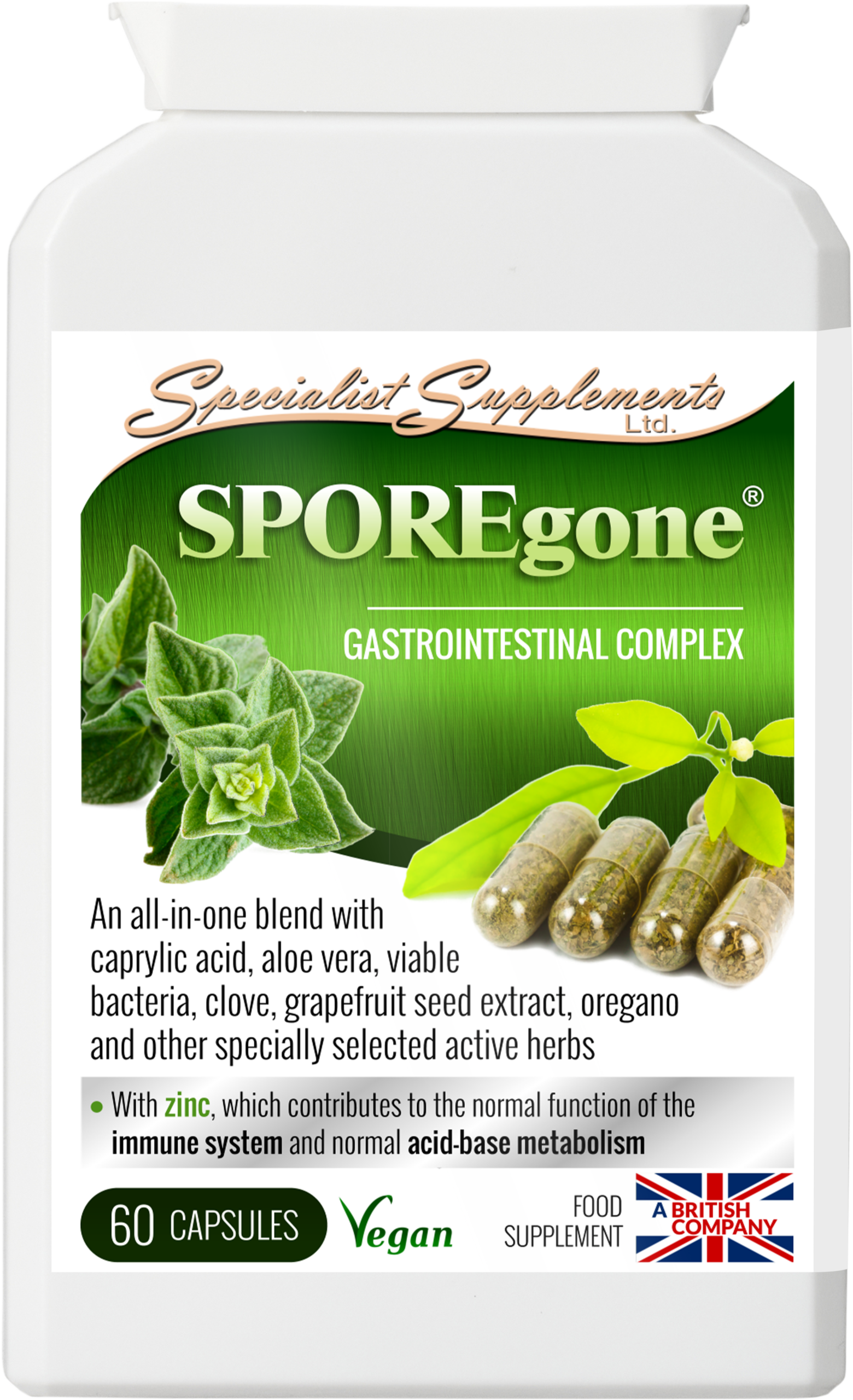
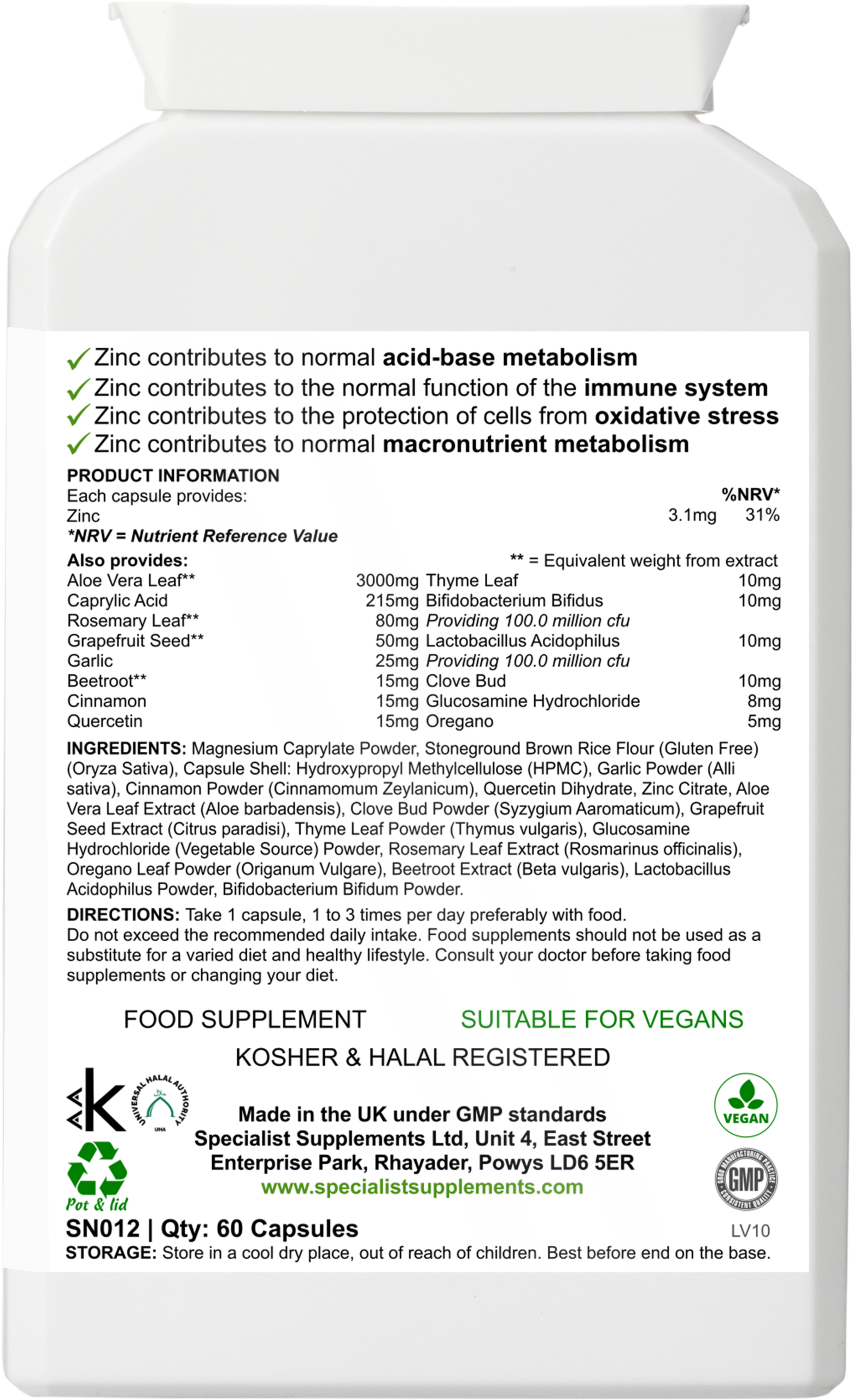
SPOREgone Capsules
£13.99


Plantz is owned by Million Media Ltd, a registered UK company number: 15476153
Info
Membership
Notices
- Terms & Conditions
- Delivery Terms
- Privacy Policy
- Publishing Principles