
Heal Your Immunity in the Gut: Probiotics and The Microbiome’s Role in Flu Season
Discover how the gut-heart of the immune system drives immunity via the gut–lung axis, with probiotics, fibre and SCFAs.

Why the gut is the heart of the immune system
We often think of immunity as something that lives in our lymph nodes or chest. Yet the most active conversation with the outside world is focused on gut health. Immunologists describe the gut as the body’s largest immune compartment, constantly sampling what we eat and what our microbes produce. Estimates suggest that a very large share of our immune cells live in gut‑associated lymphoid tissue (GALT), and most of our antibody‑secreting plasma cells sit in the intestinal lining. This is why the gut is often called “the heart” of the immune system. (nature.com)
The Gut–Immune Axis: where tolerance meets defence
The gut–immune axis is the two‑way dialogue between your microbiome and immune cells. It helps you tolerate food and friendly bacteria, while staying alert to pathogens. Secretory IgA antibodies, antimicrobial peptides, and tightly linked epithelial cells form a front‑line mucosal shield. When this system is balanced, it promotes calm surveillance. When it’s disrupted, the signal can turn inflammatory. (pmc.ncbi.nlm.nih.gov)
Dysbiosis and vulnerability to respiratory viruses
Flu season reminds us that the gut doesn’t only guard the intestines. Through the “gut–lung axis,” gut microbes and their metabolites shape immune tone in the airways. Reviews in Nature and Mucosal Immunology outline how microbial signals and short‑chain fatty acids (SCFAs) influence lung macrophages, dendritic cells, and antiviral responses. Dysbiosis—an imbalanced microbiome—has been linked to higher susceptibility and more severe respiratory infections. (nature.com)
Probiotics and flu season: what the evidence suggests
If you’re like many of us, you’ve wondered whether probiotics meaningfully support the immune system when colds and flu circulate. The short answer: some strains show promise for reducing the risk or shortening the duration of upper respiratory tract infections (URTIs). The longer answer: effects are strain‑specific, modest on average, and not a substitute for medical care.
Targeted probiotic strains with the best signals so far
Not all Lactobacillus or Bifidobacterium are equal. Look for named strains used in human trials.
- Bifidobacterium animalis subsp. lactis Bl‑04 In healthy, active adults, Bl‑04 reduced URTI risk versus placebo in one large trial. In a controlled rhinovirus‑challenge study, however, Bl‑04 did not reduce illness, highlighting mixed results across designs. (pubmed.ncbi.nlm.nih.gov)
- Lactiplantibacillus plantarum HEAL9 + Lacticaseibacillus paracasei 8700:2 Across several trials in adults prone to colds, this pair showed fewer colds per person and signals for shorter or milder episodes in some seasons. One confirmatory trial found fewer recurrences but no consistent effect on severity across all seasons—useful, but not definitive. (pubmed.ncbi.nlm.nih.gov)
- Lactobacillus casei Shirota (L. casei strain Shirota) In healthy office workers, daily fermented milk with L. casei Shirota reduced the incidence and duration of URTIs. Evidence in athletes is mixed, with some trials showing fewer weeks with symptoms and others showing no effect. (pubmed.ncbi.nlm.nih.gov)
- Bifidobacterium animalis subsp. lactis BB‑12 Small crossover work suggests BB‑12 can modulate natural killer and T‑cell activity, with exploratory links to fewer self‑reported cold/flu symptoms. Larger, season‑long trials are needed. (pubmed.ncbi.nlm.nih.gov)
What to take from this? Choose products that list the exact strain and dose used in studies, and consider trials that match your context (healthy adults during winter, for example). Effects are modest and strain‑specific; more research is underway.
How probiotics may support the gut–lung axis
Mechanistically, probiotics can strengthen the mucosal barrier, boost secretory IgA, and fine‑tune innate responses. Just as important, they can work upstream by helping a fibre‑fed microbiome make SCFAs like acetate, propionate, and butyrate—metabolites that modulate antiviral defences in the airways in preclinical work. (pmc.ncbi.nlm.nih.gov)
The Plantz ecosystem: pair probiotics with prebiotic plants
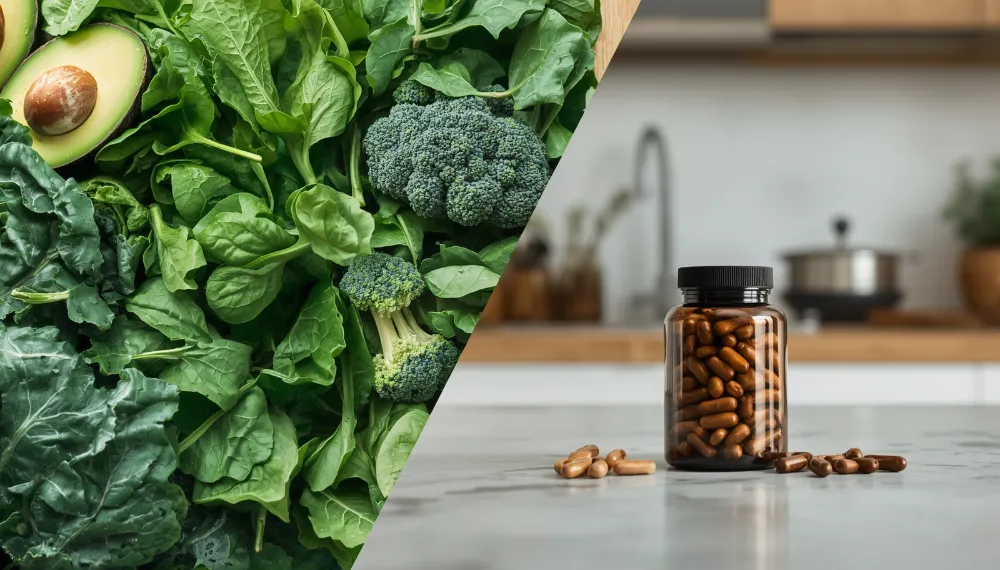
We believe in a plant‑first foundation because microbes thrive on what you feed them. Prebiotic fibres—from whole plants—are the daily nurture that helps beneficial microbes colonise, grow, and communicate with your immune cells. This is the heart of The Plantz ecosystem: probiotic strains supported by a steady rhythm of plant fibres.
In mouse and ex‑vivo human models, higher fibre and SCFAs have been linked to stronger antiviral responses and less airway damage during influenza infections. While we cannot translate animal data directly to people, it offers a plausible mechanism for why a plant‑rich diet complements probiotic use in flu season. (pubmed.ncbi.nlm.nih.gov)
Dietary support for your microbiome in flu season
Daily fibre sources that feed your microbiome
- Whole grains: oats and barley (rich in beta‑glucans), wholemeal bread, wholewheat pasta, brown rice, rye.
- Pulses: chickpeas, lentils, kidney beans, butter beans, split peas.
- Fruit and veg (skins on where possible): apples, pears, berries, kiwis, carrots, sweet potatoes.
- Prebiotic‑rich alliums and roots: onions, leeks, garlic, asparagus, Jerusalem artichokes, chicory root (inulin and FOS).
- Seeds: flaxseed, chia, pumpkin seeds.
In the UK, adults are advised to aim for around 30 g of fibre per day; most of us get closer to 16–20 g. Increase gradually and drink water to keep things comfortable. (nhs.uk)
Fermented foods that deliver live cultures
- Live yoghurt and kefir.
- Fermented vegetables such as kimchi and sauerkraut.
- Kombucha and traditionally fermented brined vegetables.
A small, well‑controlled trial found that a fermented‑foods eating pattern increased microbiome diversity and reduced circulating inflammatory markers over 10 weeks, while a high‑fibre pattern alone did not change diversity in that short window. The two patterns can complement one another over time. (pubmed.ncbi.nlm.nih.gov)
How to build a gentle, evidence‑led ritual for flu season
- Start with plants. Anchor meals around fibre‑rich whole foods to nurture your microbiome and SCFA production. (nhs.uk)
- Layer in a targeted probiotic. If you choose to supplement, look for a named strain with URTI data in healthy adults, and give it several weeks. Evidence is promising but not absolute. (cochrane.org)
- Add fermented foods you enjoy. A daily spoon of live yoghurt, a glass of kefir, or a side of kimchi makes the routine feel culinary, not clinical. (pubmed.ncbi.nlm.nih.gov)
- Keep it steady. Immune tone reflects daily patterns more than single “hero” moments. Pair rest, movement, and stress‑reduction with your food choices.
A mindful note on safety and regulation
This article is educational and not a substitute for personalised medical advice. Probiotics and prebiotics are food supplements in the UK and cannot be advertised as treating, curing, or preventing disease. If you’re immunocompromised, pregnant, or have a medical condition, speak with your GP or a registered dietitian before starting supplements. Effects vary by strain, dose, and formulation, and not all products have the same evidence base.
Group Forums
Discuss these articles by joining a Group
Latest Posts





Plantz is owned by Million Media Ltd, a registered UK company number: 15476153
Info
Membership
Notices
- Terms & Conditions
- Delivery Terms
- Privacy Policy
- Publishing Principles