
Cannabis for ADHD: Examining the Evidence and Patient Experiences
Exploring medical cannabis for ADHD in the UK - from specialist prescriptions to CBD protocols for sleep, anxiety and symptom management alongside conventional treatments.
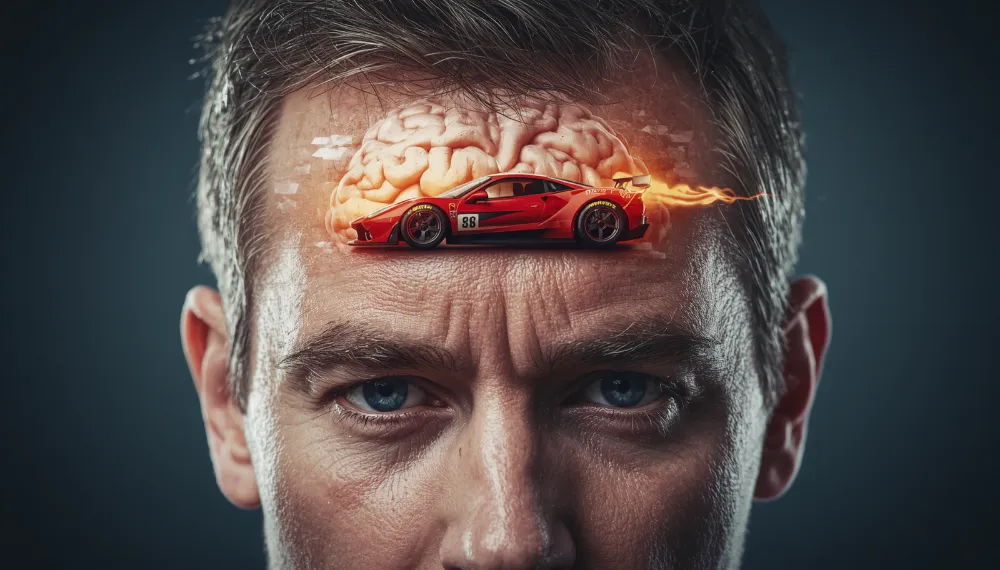
Over 2.6 million adults in the UK live with ADHD, yet many struggle with conventional treatments that cause sleep disruption, appetite suppression, or cardiovascular side effects. As a result, some patients explore medical cannabis as an adjunctive therapy for symptom management.
However, medical cannabis for ADHD remains complex territory. Research suggests it may help with certain comorbid symptoms rather than core attention deficits. In the UK, cannabis-based prescriptions for ADHD require careful specialist assessment and remain available only through private prescription from doctors on the GMC Specialist Register.
The Endocannabinoid System and Attention Regulation
The endocannabinoid system influences several processes relevant to ADHD symptoms. Specifically, CB1 receptors in the prefrontal cortex help regulate executive function and working memory. Meanwhile, endocannabinoid signalling affects dopamine release in reward pathways that are often dysregulated in ADHD.
Research indicates that people with ADHD may have altered endocannabinoid system functioning. For example, studies show differences in anandamide levels and CB1 receptor expression compared to neurotypical individuals. However, this doesn’t automatically mean cannabis supplementation provides therapeutic benefit.
The endocannabinoid system also modulates stress response and emotional regulation. These pathways may explain why some patients report improvements in anxiety and emotional dysregulation rather than core attentional symptoms.
Current Research Landscape for Medical Cannabis ADHD
The evidence base for medical cannabis in ADHD remains limited but growing. Most studies focus on observational data rather than randomised controlled trials. Importantly, research consistently shows that cannabis is not a first-line treatment for core ADHD symptoms.
Several small studies suggest potential benefits for comorbid conditions. For instance, some patients report improved sleep quality and reduced anxiety when using CBD-dominant formulations. However, these studies often lack control groups and rely on subjective reporting.
Conversely, research raises concerns about THC’s effects on attention and motivation. Studies demonstrate that THC can impair working memory and executive function — core challenges in ADHD. As a result, specialists typically avoid recommending THC-dominant products for direct symptom management.
The most promising research focuses on evening use for sleep disturbances and anxiety that commonly accompany ADHD. Nevertheless, more rigorous clinical trials are needed to establish efficacy and safety profiles.
Cannabinoid Profiles and Medical Cannabis ADHD Considerations
CBD-dominant formulations show the most promise for ADHD-related symptoms. Research suggests CBD may help with anxiety, emotional regulation, and sleep without impairing cognitive function. Many specialists recommend starting with high-CBD, low-THC ratios such as 20:1 or 10:1.
THC requires extreme caution in ADHD patients. Studies show it can worsen inattention, impulsivity, and motivation problems. When prescribed at all, THC is typically limited to very low evening doses for patients with severe insomnia or anxiety.
Specific terpenes may play supporting roles. Myrcene appears in many prescribed formulations and may promote relaxation. Pinene potentially counters some of THC’s cognitive impairment, though evidence remains preliminary. Limonene shows promise for mood support in some studies.
Full-spectrum products containing multiple cannabinoids and terpenes may offer advantages through the entourage effect. However, specialists typically start with simpler formulations to monitor individual responses before exploring complex profiles.
Interaction Considerations with ADHD Medications
Medical cannabis interactions with ADHD medications require careful monitoring. Stimulant medications like methylphenidate and amphetamines affect cardiovascular function, while some cannabinoids may also influence heart rate and blood pressure.
CBD can alter how the liver processes certain medications through cytochrome P450 enzyme inhibition. This particularly affects drugs with narrow therapeutic windows. Consequently, specialists typically adjust dosing schedules and monitor blood levels when combining treatments.
Timing becomes crucial for patients using both cannabis and stimulants. Most specialists recommend using CBD formulations in the evening to avoid any daytime cognitive effects. Meanwhile, stimulant medications are typically taken in the morning to avoid sleep disruption.
Some patients report that cannabis helps manage stimulant side effects like appetite suppression and sleep difficulties. However, this requires specialist supervision to ensure both treatments remain effective and safe.
Timing and Dosing Protocols for Symptom Management
Dosing protocols for medical cannabis ADHD treatment typically follow conservative principles. Specialists usually recommend starting with 1-2.5mg CBD twice daily and increasing gradually based on response. The “start low, go slow” approach helps identify the minimum effective dose.
Evening dosing often works best for ADHD-related sleep and anxiety symptoms. Many patients find that CBD taken 1-2 hours before bedtime improves sleep quality without next-day drowsiness. However, some individuals prefer splitting doses between afternoon and evening.
Daytime CBD use remains controversial among specialists. While some patients report improved emotional regulation, others experience sedation or cognitive changes. Consequently, workplace considerations and driving safety require careful discussion.
Tracking symptoms helps optimise dosing schedules. Many specialists recommend keeping a daily log of ADHD symptoms, sleep quality, and any side effects. This data helps refine timing and dosing over several weeks or months.
UK Prescribing Patterns and Specialist Considerations
UK specialists approach medical cannabis ADHD prescriptions with particular caution. Most require evidence of inadequate response to at least two conventional ADHD treatments before considering cannabis-based medicines. The focus remains on comorbid symptoms rather than core attention deficits.
Private clinics typically conduct comprehensive assessments including psychiatric history, current medications, and specific symptom profiles. Specialists often coordinate care with existing ADHD clinicians to ensure integrated treatment approaches.
Prescription patterns favour CBD-dominant oils for initial treatment. Common starting formulations include products like Curaleaf T5:C50, which provides 50mg CBD per ml with minimal THC content. These products often contain terpenes like myrcene and pinene that may support relaxation and focus.
Follow-up appointments typically occur monthly initially, then quarterly once stable dosing is established. Specialists monitor both therapeutic effects and potential adverse reactions, adjusting formulations based on patient response and tolerance.
Long-term Effects and Dependency Concerns
Long-term safety data for medical cannabis in ADHD remains limited. However, CBD appears to have a favourable safety profile with minimal dependency potential. Most studies report mild side effects like drowsiness, dry mouth, or gastrointestinal upset.
Dependency concerns primarily relate to THC-containing products. Research shows that people with ADHD have higher rates of substance use disorders, making careful patient selection crucial. Specialists typically avoid THC in patients with addiction histories.
Tolerance development varies by cannabinoid. CBD tolerance appears less problematic than THC tolerance, though some patients require gradual dose increases over time. Regular treatment breaks may help maintain effectiveness while minimising tolerance development.
Cognitive effects require ongoing monitoring, particularly in younger adults whose brains are still developing. Some studies suggest that regular cannabis use before age 25 may affect cognitive development, though research specifically in medical contexts remains limited.
Navigating Medical Cannabis ADHD Treatment in the UK
Medical cannabis for ADHD requires specialist prescription under Schedule 2 of the Misuse of Drugs Regulations 2001. Only doctors on the GMC Specialist Register can prescribe these medications, typically through private healthcare settings.
Patient selection remains highly individualised. Specialists consider symptom severity, treatment history, comorbid conditions, and lifestyle factors when determining suitability. The focus typically centres on anxiety, sleep disturbance, or emotional dysregulation rather than core attention symptoms.
Cost considerations affect many patients, as private prescriptions are not covered by the NHS. Monthly treatment costs typically range from £150-400 depending on dosing and formulation requirements. However, some patients find improved quality of life justifies the expense.
Educational support helps patients understand realistic expectations. Medical cannabis is not a cure for ADHD but may provide adjunctive benefit for specific symptoms. Success requires patience, careful monitoring, and ongoing collaboration with healthcare providers.
_This article is for educational purposes only and does not constitute medical advice. Always consult a healthcare professional before starting any new supplement or medication, especially if you have underlying health conditions._
Group Forums
Discuss these articles by joining a Group
Latest Posts





Plantz is owned by Million Media Ltd, a registered UK company number: 15476153
Info
Membership
Notices
- Terms & Conditions
- Delivery Terms
- Privacy Policy
- Publishing Principles