
Chaga Mushroom: 10 Years of Research on the ‘King of Medicinal Mushrooms’
Ten years of research reveals why Chaga mushroom earned its title as 'King of Medicinal Mushrooms' - from immune modulation to antioxidant power.
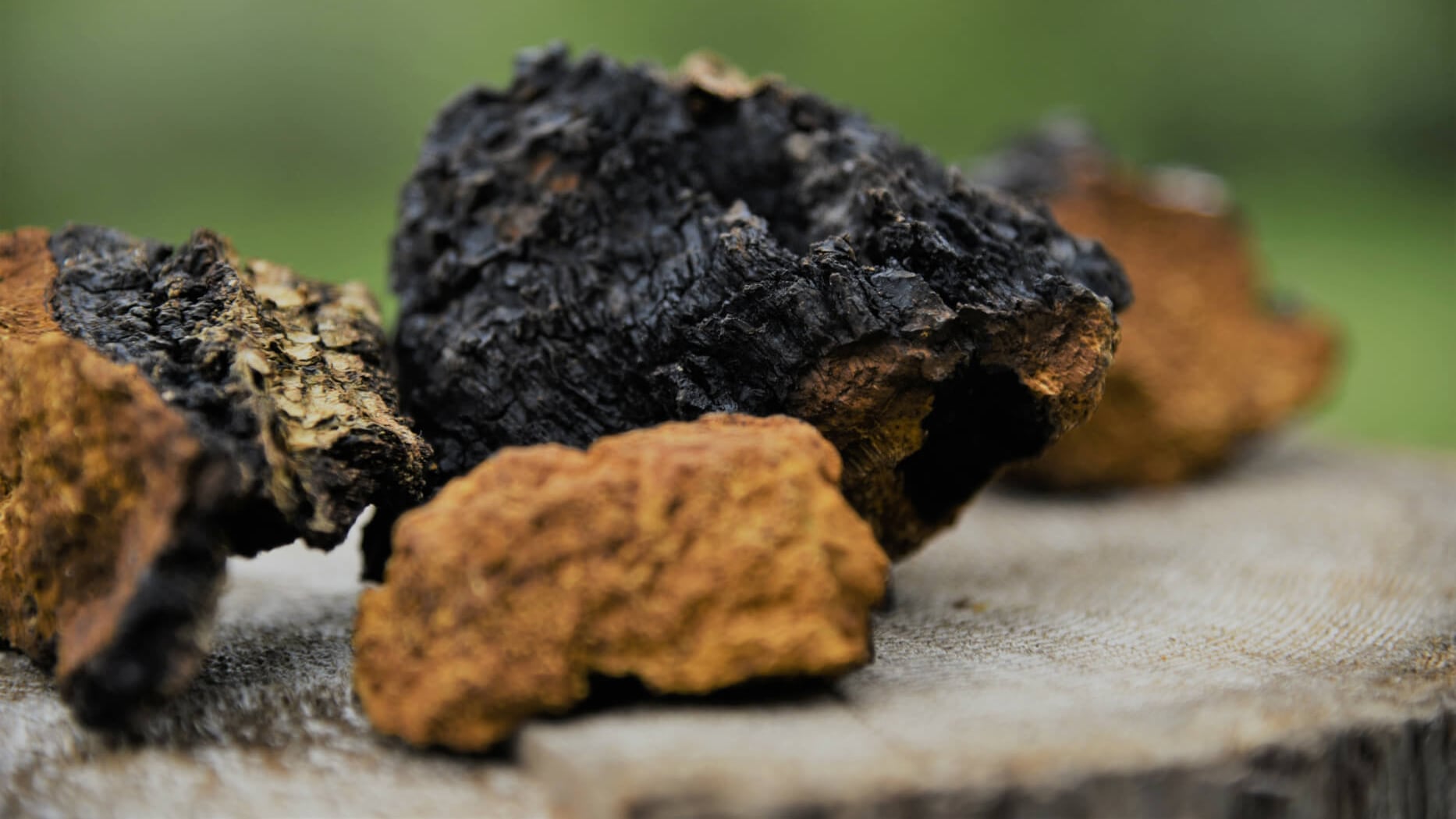
The black, crusty exterior of the fungus found in our Chaga mushroom capsules hardly hints at the treasure trove of bioactive compounds within. Found primarily on birch trees across northern climates, this unassuming fungus has earned the title “King of Medicinal Mushrooms” – and the past decade of research is beginning to reveal why this reputation might be well-deserved.
The Powerhouse Compounds Behind Chaga’s Effects
Recent research has identified several key bioactive compounds that appear to drive Chaga’s therapeutic potential. The most notable is betulinic acid, which the mushroom concentrates from its birch tree host. Studies published between 2014-2024 have shown this triterpene compound demonstrates significant biological activity in laboratory settings.
Beta-glucans, complex polysaccharides found in the mushroom’s cell walls, represent another crucial component. Research suggests these compounds may support immune system modulation, though the mechanisms are still being unravelled. The mushroom also contains melanin compounds – responsible for its dark colour – which contribute to its remarkable antioxidant capacity.
What makes Chaga particularly interesting to researchers is how it concentrates and transforms compounds from its host tree. This symbiotic relationship creates a unique chemical profile that differs significantly from other medicinal mushrooms, potentially explaining its distinct therapeutic properties.
Immune System Research: Modulation Rather Than Stimulation
One of the most promising areas of Chaga research involves immune system function. Unlike simple immune “boosters,” recent studies suggest Chaga works as an immune modulator – supporting balanced immune responses rather than merely ramping up activity.
A 2019 study published in _International Journal of Medicinal Mushrooms_ found that Chaga extracts could influence cytokine production in immune cells, promoting anti-inflammatory responses while maintaining the ability to mount appropriate defensive reactions. This bidirectional effect is particularly valuable, as an overactive immune system can be as problematic as an underactive one.
Research from 2021 examining Chaga’s polysaccharide fractions found they could enhance the activity of natural killer cells – important components of our innate immune system – without triggering excessive inflammatory responses. However, it’s worth noting that most of these studies have been conducted in laboratory settings or with animal models, and human clinical trials remain limited.
Antioxidant Capacity: Measuring Up Against the Competition
Chaga’s antioxidant properties have generated considerable research interest, particularly given claims about its exceptional potency. Studies using the ORAC (Oxygen Radical Absorbance Capacity) scale have indeed found Chaga extracts to demonstrate impressive antioxidant activity – often exceeding that of more famous superfoods.
A comprehensive 2020 analysis comparing various mushroom extracts found Chaga consistently ranked among the highest for antioxidant capacity, with values significantly higher than blueberries, acai, or goji berries. The research attributes this primarily to the mushroom’s high melanin content and diverse phenolic compounds.
However, researchers emphasise that ORAC scores in test tubes don’t directly translate to antioxidant benefits in the human body. The bioavailability of these compounds – how well our bodies can absorb and utilise them – remains an active area of investigation. Some studies suggest that Chaga’s antioxidants may be more bioavailable when consumed as water extracts rather than alcohol-based tinctures.
Blood Sugar Regulation: Promising Early Findings
Emerging research suggests Chaga may support healthy blood sugar levels, though the mechanisms appear complex and multifaceted. A 2017 animal study found that Chaga extract administration led to improved glucose tolerance and reduced insulin resistance markers in diabetic mice.
The research indicates this effect might be mediated through multiple pathways: enhanced insulin sensitivity, improved glucose uptake by muscle cells, and potentially beneficial effects on gut microbiome composition. Betulinic acid, in particular, has shown promise in preclinical studies for supporting healthy metabolic function.
A small human pilot study from 2022 examined Chaga supplementation in adults with metabolic concerns. While the results showed modest improvements in post-meal blood sugar responses, researchers noted the study’s limitations and called for larger, longer-term trials to establish clinical significance.
Cancer Research: Intriguing Laboratory Findings
Perhaps the most attention-grabbing area of Chaga research involves its potential anti-cancer properties. Multiple preclinical studies have found that Chaga extracts can inhibit cancer cell growth in laboratory settings, with betulinic acid again appearing to play a key role.
Research published in Cancer Letters found that Chaga extracts could induce programmed cell death in various cancer cell lines while leaving healthy cells largely unaffected. Studies have explored its effects on lung, breast, liver, and colon cancer cells, with encouraging results in controlled laboratory conditions.
However – and this is crucial – these findings come exclusively from test tube and animal studies. No human clinical trials have yet demonstrated that Chaga can prevent or treat cancer in people. The leap from laboratory to clinic is enormous, and many compounds that show promise in early research fail to demonstrate clinical benefits in human trials.
Sustainability and Ethical Considerations
The growing popularity of Chaga has raised important sustainability concerns that consumers should consider. Unlike cultivated mushrooms, Chaga grows wild on birch trees over many years, making it particularly vulnerable to overharvesting.
Recent research has highlighted concerning trends in wild Chaga populations across Scandinavia and North America. Sustainable harvesting practices – taking only portions of the fungus and leaving enough to ensure continued growth – are essential for long-term availability.
Some companies now offer lab-grown Chaga, though research suggests the bioactive compound profile may differ from wild-harvested varieties. As interest continues growing, supporting suppliers with verified sustainable harvesting practices becomes increasingly important for both environmental and quality reasons.
How to Approach Chaga Supplementation
For those interested in exploring Chaga based on current research, starting conservatively makes sense. Most studies have used standardised extracts rather than whole mushroom powder, suggesting extraction may be necessary to concentrate active compounds.
Water-based extracts appear to provide the best bioavailability for beta-glucans and other water-soluble compounds, while alcohol extracts may better capture triterpenes like betulinic acid. Some products combine both extraction methods to provide a fuller spectrum of compounds.
Typical research dosages range from 300-3000mg daily of extract, though individual responses may vary significantly. Starting with lower doses and gradually increasing allows you to assess your response while minimising potential side effects.
The research journey into Chaga’s therapeutic potential remains ongoing, with each study adding pieces to an intriguing puzzle. While current findings certainly justify the mushroom’s reputation as a functional food, they also remind us that nature’s pharmacy often reveals its secrets slowly, requiring both patience and scientific rigour to fully understand.
This information is for educational purposes only and is not intended to diagnose, treat, cure, or prevent any disease. Always consult with a healthcare professional before starting any new supplement regimen, particularly if you have existing health conditions or take medications.

Group Forums
Discuss these articles by joining a Group
Latest Posts





Plantz is owned by Million Media Ltd, a registered UK company number: 15476153
Info
Membership
Notices
- Terms & Conditions
- Delivery Terms
- Privacy Policy
- Publishing Principles