
Comprehensive Guide to Probiotics: 8-Strain Live Bacteria vs Saccharomyces Boulardii
Understanding the key differences between 8-strain bacterial probiotics and Saccharomyces boulardii to make informed choices for your gut health journey.
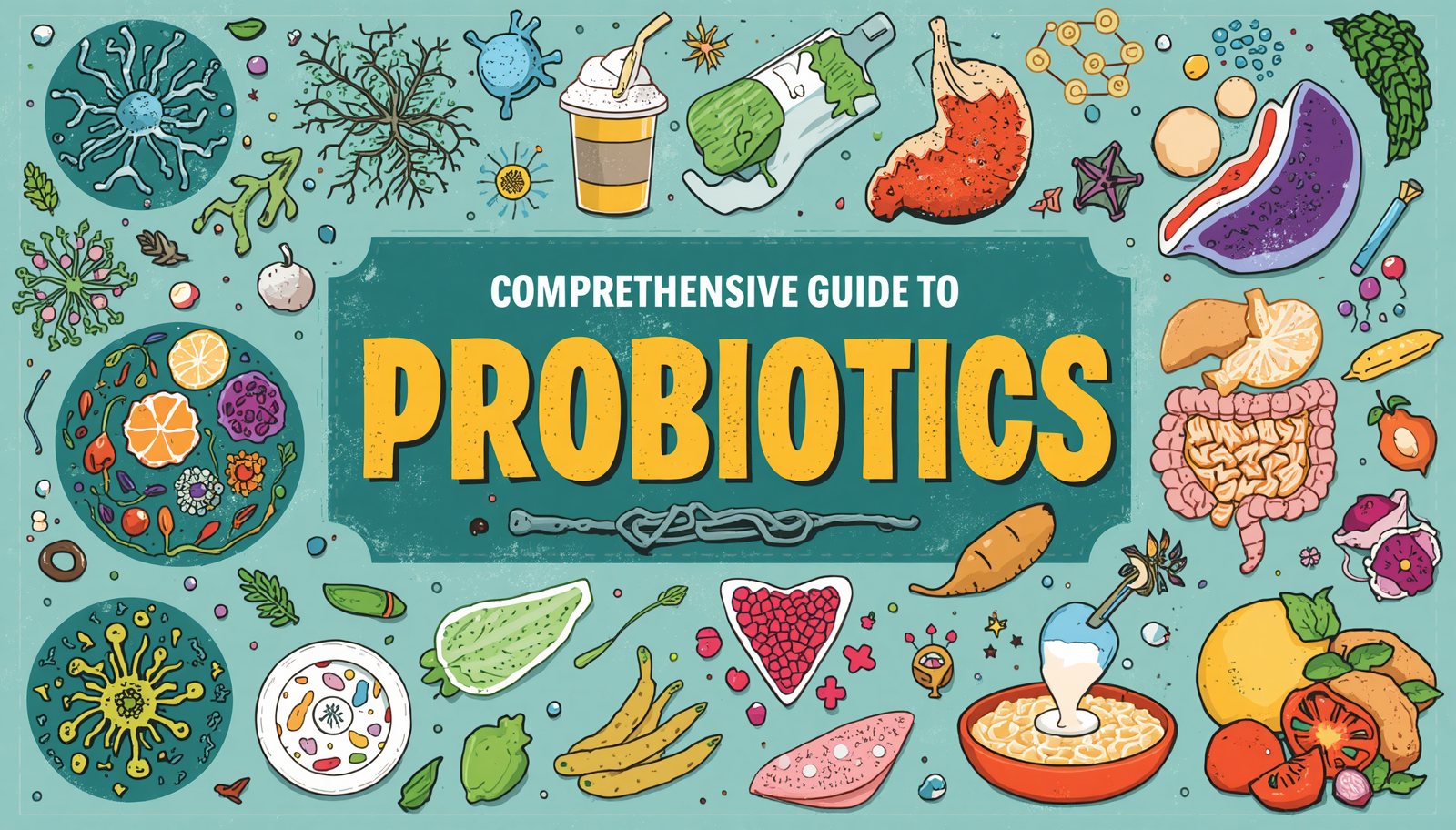
Your gut houses trillions of microorganisms that influence everything from digestion to immunity. However, choosing the right probiotic support can feel overwhelming when faced with countless options and conflicting advice.
Understanding Probiotic Mechanisms: Bacteria vs Yeast
Bacterial probiotics and probiotic yeasts work through fundamentally different mechanisms in your digestive system. Specifically, bacterial strains like _Lactobacillus rhamnosus_ and _Bifidobacterium infantis_ compete for intestinal binding sites whilst producing antimicrobial compounds such as lactic acid and bacteriocins. These compounds create an environment hostile to harmful pathogens.
Meanwhile, _Saccharomyces boulardii_ operates as a transient yeast that passes through your digestive tract without permanently colonising. Importantly, this unique organism survives stomach acid completely intact and remains active throughout the entire GI tract. As a result, it can exert therapeutic effects from stomach to colon without requiring protective encapsulation.
Research from a 2020 Cochrane review analysing 33 randomised controlled trials demonstrates that _S. boulardii_ significantly reduces antibiotic-associated diarrhoea risk. Furthermore, this probiotic yeast shows inherent resistance to all antibiotics, allowing simultaneous administration with antibiotic therapy.
How 8-Strain Bacterial Probiotics Support Gut Health
Multi-strain bacterial formulations work by restoring microbial diversity following dysbiosis from antibiotics, illness, or dietary stress. For example, _Lactobacillus rhamnosus_ produces specific bacteriocins that inhibit pathogenic bacteria whilst supporting immune function through interactions with gut-associated lymphoid tissue.
Additionally, _Bifidobacterium infantis_ colonises the large intestine and produces short-chain fatty acids that nourish intestinal cells. Clinical evidence from a 2006 randomised controlled trial showed the 35624 substrain of _B. infantis_ significantly reduced IBS symptoms including bloating, flatulence, and abdominal pain compared to placebo.
_Streptococcus thermophilus_ offers another targeted benefit by producing lactase enzyme, which supports lactose digestion in individuals with lactose sensitivity. Meanwhile, _Lactobacillus acidophilus_ colonises the small intestine and creates an acidic environment that naturally inhibits Candida overgrowth.
Best Probiotics for Travel and Antibiotic Recovery
_Saccharomyces boulardii_ demonstrates superior evidence for specific situations requiring targeted probiotic support. Specifically, multiple randomised controlled trials confirm this probiotic yeast reduces traveller’s diarrhoea incidence with consistent effect sizes across different study populations.
For antibiotic recovery, _S. boulardii_ offers a unique advantage over bacterial probiotics. However, bacterial strains get destroyed by antibiotic therapy, requiring delayed supplementation until treatment completion. In contrast, _S. boulardii_ maintains viability during antibiotic courses, providing continuous gut protection.
Clinical studies indicate optimal dosing ranges from 5-10 billion CFU daily during and after antibiotic treatment. Moreover, the addition of supporting nutrients like vitamin D3 enhances immune function whilst olive leaf provides additional antimicrobial support.
When to Choose Bacterial vs Yeast Probiotics for Gut Health
Your specific health goals should guide probiotic selection between bacterial strains and yeast formulations. For example, choose bacterial multi-strain formulas when addressing general dysbiosis, IBS symptoms, or long-term microbiome restoration following illness or dietary changes.
Conversely, select _Saccharomyces boulardii_ for acute situations requiring immediate protection during travel, antibiotic treatment, or suspected Candida overgrowth. Interestingly, some practitioners recommend alternating between bacterial and yeast probiotics to maximise therapeutic benefits whilst preventing adaptation.
Additionally, consider your individual tolerance and digestive sensitivity. However, those with histamine intolerance may better tolerate _S. boulardii_ over certain bacterial strains that produce histamine during fermentation.
Supporting Nutrients That Enhance Probiotic Effectiveness
Quality probiotic formulations often include synergistic nutrients that enhance therapeutic outcomes. For instance, vitamin D3 supports immune function and intestinal barrier integrity, creating optimal conditions for probiotic colonisation and activity.
Biotin serves as a B-vitamin cofactor essential for healthy intestinal cell metabolism whilst supporting beneficial bacterial growth. Meanwhile, olive leaf extract provides polyphenolic compounds with prebiotic properties that selectively feed beneficial microorganisms.
Some formulations include inositol, which shows particular relevance for women’s hormonal health and PCOS management. Furthermore, these supporting nutrients work synergistically rather than independently, creating comprehensive gut health support beyond basic probiotic activity.
What to Look for in the Best Probiotics for Gut Health UK
Standardisation becomes critical when evaluating probiotic quality and therapeutic potential. Specifically, look for products listing exact strain identification rather than just species names, as different strains within the same species demonstrate varying clinical effects.
CFU (colony-forming unit) counts should reflect clinically researched dosages, typically ranging from 1-50 billion depending on intended use. However, higher numbers don’t automatically indicate superior effectiveness, as strain selection and viability matter more than raw CFU counts.
Choose products manufactured under UK GMP standards with third-party testing for potency and purity. Additionally, ensure appropriate storage requirements are clearly stated, as many probiotics require refrigeration to maintain viability throughout shelf life.
Delivery format significantly impacts effectiveness, with delayed-release capsules protecting bacterial strains from stomach acid. Meanwhile, _S. boulardii_ naturally survives gastric acid and doesn’t require special encapsulation technology.
Dosage Considerations and Optimal Timing
Timing influences probiotic effectiveness, though recommendations vary between bacterial and yeast formulations. For example, take bacterial probiotics on an empty stomach or with minimal food to reduce exposure to digestive acids and enzymes.
_Saccharomyces boulardii_ demonstrates greater acid tolerance and can be taken with or without food. However, some individuals prefer bedtime dosing to maximise gut transit time and therapeutic contact.
During antibiotic treatment, space probiotic intake at least 2-3 hours from antibiotic doses when using bacterial strains. Conversely, _S. boulardii_ can be taken simultaneously with antibiotics due to its natural antibiotic resistance.
Start with recommended dosages and adjust based on individual response and healthcare practitioner guidance. Furthermore, consistency matters more than perfect timing, so establish sustainable daily routines that support long-term compliance.
At Plantz, we stock high-quality formulations including an 8-strain bacterial blend providing 4 billion CFU with supporting vitamin D3, and a _Saccharomyces boulardii_ formula delivering 5 billion CFU enhanced with olive leaf and biotin. Both products meet pharmaceutical manufacturing standards whilst offering evidence-based probiotic support for different gut health needs.
_This article is for educational purposes only and does not constitute medical advice. Always consult a healthcare professional before starting any new supplement or medication, especially if you have underlying health conditions._
Group Forums
Discuss these articles by joining a Group
Latest Posts





Plantz is owned by Million Media Ltd, a registered UK company number: 15476153
Info
Membership
Notices
- Terms & Conditions
- Delivery Terms
- Privacy Policy
- Publishing Principles