
Ginseng: Are You Taking the Right Type? Panax vs Siberian vs American Ginseng Explained
Not all ginseng is created equal. Discover the key differences between Panax, American, and Siberian ginseng to choose the right type for your needs.
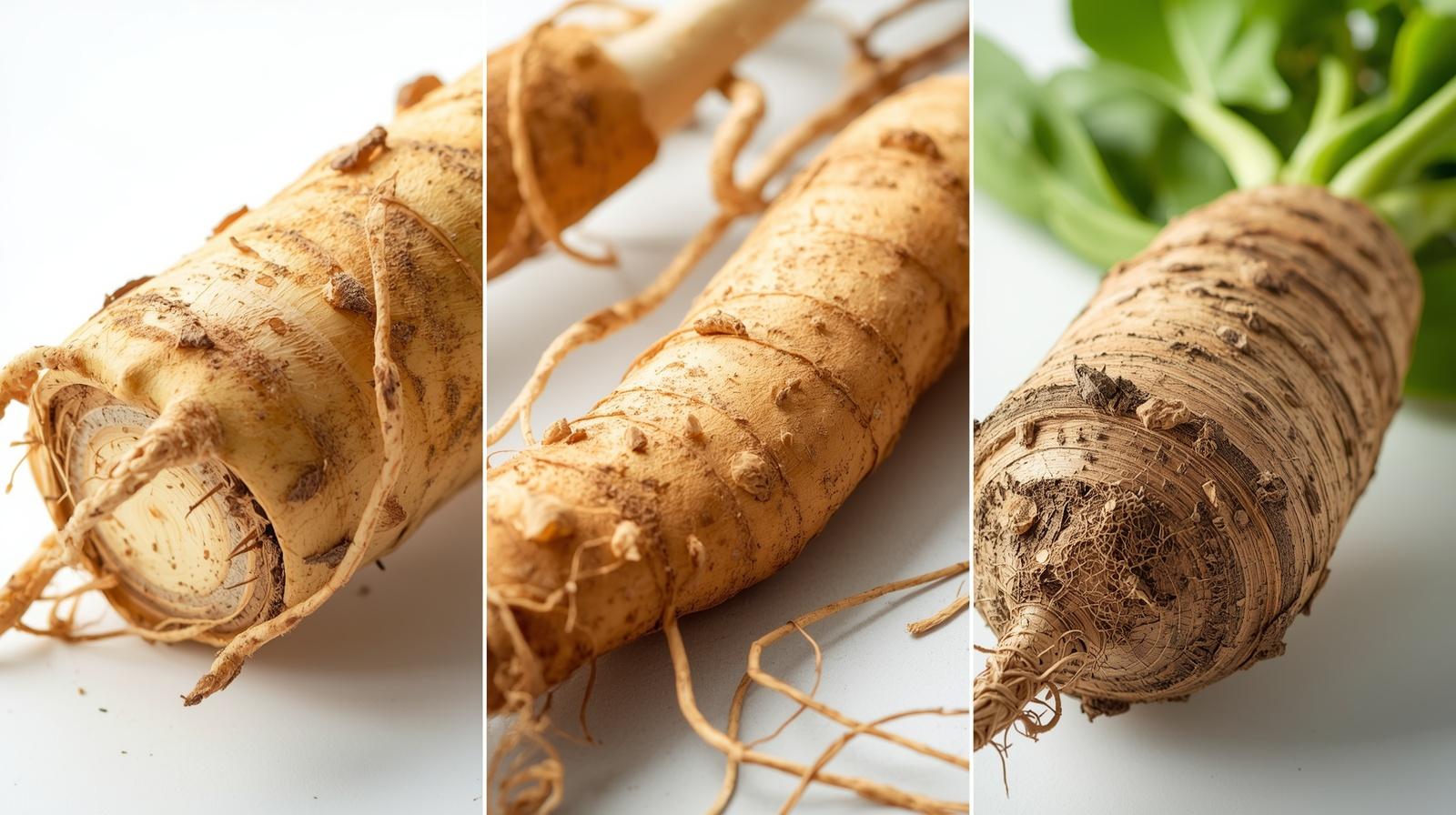
Walk into any health shop and you’ll see shelves lined with ginseng supplements, each promising to boost your energy and sharpen your mind. But here’s what might surprise you: not all ginseng is actually ginseng, and the differences between types could mean the difference between feeling energised or simply disappointed with your purchase.
The confusion around ginseng types isn’t just marketing muddle—it’s a genuine botanical puzzle that even researchers grapple with. Understanding these differences matters because each type works differently in your body, and choosing the wrong one for your needs might explain why that expensive supplement isn’t delivering the results you hoped for.
The True Ginsengs: Panax Family Explained
When herbalists talk about “true ginseng,” they’re referring to plants in the Panax genus. These are the heavy hitters of the ginseng world, and they’re quite different from each other despite sharing a family name.
Panax ginseng, also called Korean or Asian ginseng, is the original superstar. Research suggests this variety has the most potent effects on energy and cognitive function, thanks to its high concentration of specific compounds called ginsenosides. In traditional Chinese medicine, it’s considered a “warming” herb, used to boost energy and combat fatigue. Studies indicate that Panax ginseng may help improve mental performance, particularly during periods of stress, and some research suggests it could support healthy blood sugar levels.
Panax quinquefolius, or American ginseng, takes a gentler approach. Traditional medicine systems describe it as “cooling,” making it potentially more suitable for people who tend to feel overheated or stressed. Research indicates American ginseng may be particularly effective for blood sugar regulation—some studies suggest it can help manage post-meal glucose spikes. The ginsenoside profile differs significantly from its Asian cousin, with higher levels of certain compounds that may explain its more calming effects.
The ginsenoside content is key here. Think of these compounds as the active ingredients that determine how each ginseng type affects your body. Asian ginseng typically contains more Rg1 ginsenosides (associated with stimulating effects), while American ginseng has higher levels of Rb1 ginsenosides (linked to more calming properties).
The Ginseng Imposter: Siberian Ginseng Unveiled
Here’s where things get interesting: Siberian ginseng isn’t actually ginseng at all. Eleutherococcus senticosus earned its common name through marketing rather than botany. It’s an entirely different plant family, though it does have some legitimate therapeutic properties.
Research suggests Siberian ginseng may help the body adapt to stress—it’s what researchers call an “adaptogen.” However, it contains no ginsenosides whatsoever. Instead, its active compounds are eleutherosides, which work differently in your body. Studies indicate it might support immune function and help with fatigue, but don’t expect the same cognitive boost you’d get from true ginseng.
This matters for your wallet and your wellbeing. Siberian ginseng is typically much cheaper than Panax varieties, which explains why it appears in many budget supplements. If you’re specifically looking for the cognitive and energy benefits associated with traditional ginseng use, Siberian ginseng likely won’t deliver.
Traditional Wisdom Meets Modern Science
The traditional uses of different ginseng types offer fascinating insights that modern research is beginning to validate. In traditional Chinese medicine, practitioners have long distinguished between the “warming” nature of Asian ginseng and the “cooling” properties of American ginseng. This wasn’t just ancient marketing—it reflected careful observations about how these plants affect different people.
Research now suggests this traditional wisdom has scientific basis. Studies indicate that Asian ginseng can indeed be stimulating for some people, potentially causing restlessness or sleep disruption if taken late in the day or by individuals who are already feeling stressed or “heated.” American ginseng, by contrast, appears less likely to cause these effects and may even have a calming influence.
Clinical evidence supports different applications for each type. Asian ginseng shows promising results for cognitive performance, with some studies suggesting improvements in memory and mental clarity. American ginseng appears particularly effective for blood sugar management, with research indicating it may help reduce post-meal glucose spikes by up to 20% in some individuals.
Choosing Your Ginseng: A Personalised Approach
The question isn’t which ginseng is “best”—it’s which is best for you. Your choice should depend on your individual needs, constitution, and health goals.
Consider Asian ginseng if you’re dealing with mental fatigue, need cognitive support, or want an energy boost. However, be cautious if you tend toward anxiety, have high blood pressure, or struggle with sleep, as its stimulating properties might not suit you.
American ginseng might be more appropriate if you’re interested in blood sugar support, tend to feel stressed or “heated,” or want ginseng’s benefits without the stimulating effects. Research suggests it’s also less likely to interact with certain medications, though you should always consult your healthcare provider.
Skip Siberian ginseng if you’re specifically seeking traditional ginseng benefits. However, if you’re interested in general stress support and immune function, and you’re working with a smaller budget, it might still have value—just know it’s not delivering the same compounds as true ginseng.
How to Use Ginseng Effectively
Quality matters enormously with ginseng supplements. Look for products that specify the exact species and standardise ginsenoside content. Reputable brands will list the percentage of ginsenosides on the label—typically ranging from 4% to 15% for quality products.
Timing can affect your experience significantly. Asian ginseng is generally best taken in the morning due to its energising properties. American ginseng can be taken with meals, particularly if you’re using it for blood sugar support. Most research suggests taking ginseng for 2-3 months, then having a break, rather than continuous long-term use.
Start with lower doses to assess your response—individual sensitivity varies considerably. Some people notice effects within days, while others need several weeks of consistent use.
The world of ginseng is more complex than most supplement labels suggest, but understanding these differences empowers you to make informed choices. Whether you opt for the energising properties of Asian ginseng, the gentler approach of American ginseng, or decide that Siberian ginseng’s stress-support properties suit your needs, you’re now equipped with the knowledge to choose wisely.
_This information is for educational purposes only and is not intended to replace professional medical advice. Always consult your healthcare provider before starting any new supplement, especially if you have existing health conditions or take medications._
Group Forums
Discuss these articles by joining a Group
Latest Posts



Plantz is owned by Million Media Ltd, a registered UK company number: 15476153
Info
Membership
Notices
- Terms & Conditions
- Delivery Terms
- Privacy Policy
- Publishing Principles