
Green Tea Extract: When Your Daily Cuppa Becomes a Concentrated Health Risk
Why green tea extract supplements can be dangerous while your daily cuppa remains perfectly safe. The concentration difference changes everything.
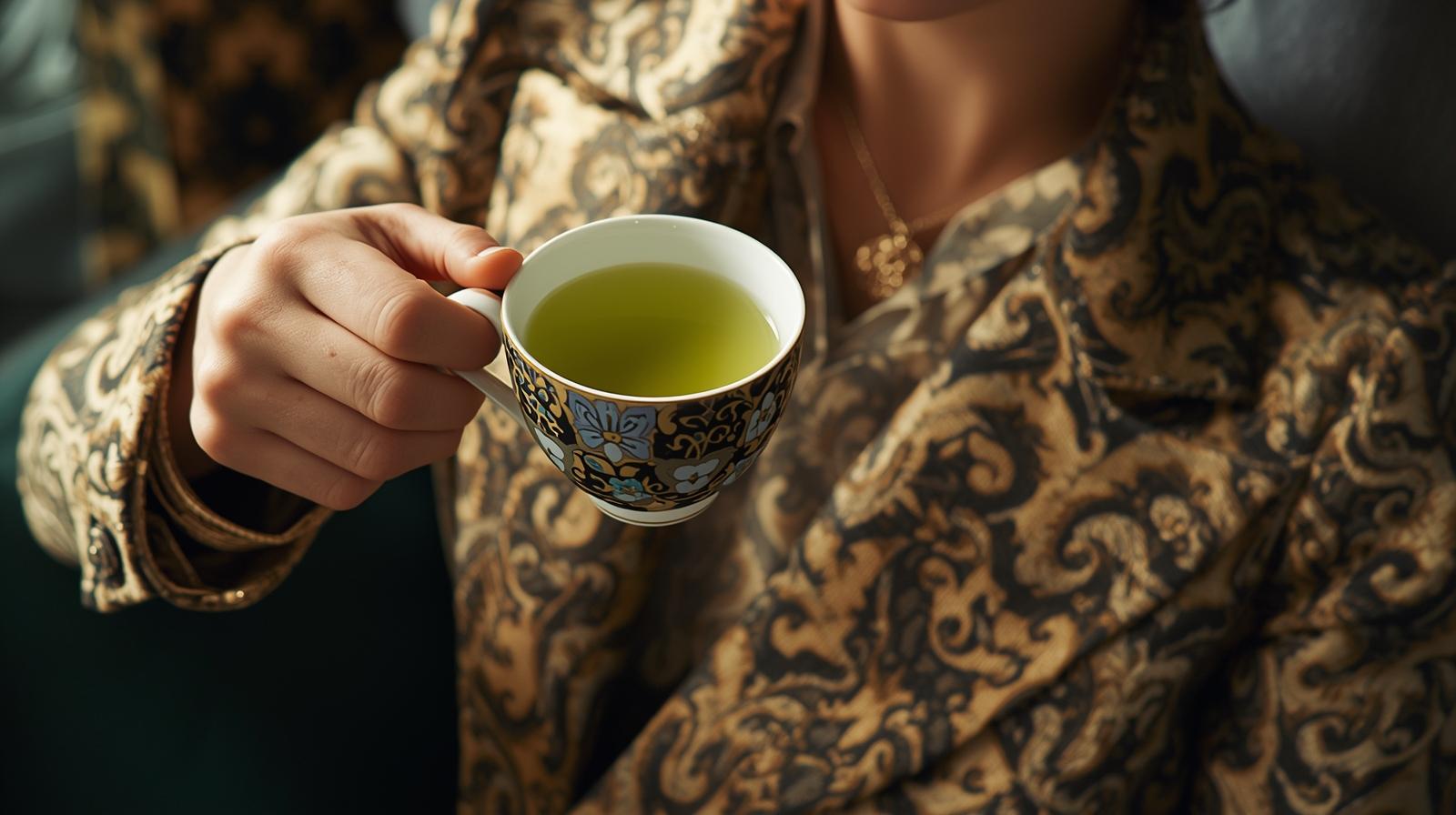
That morning cup of green tea feels like such a wholesome ritual, doesn’t it? The gentle warmth, the delicate flavour, and all those wellness benefits we’ve heard about. But here’s where things get interesting—and potentially concerning. When that same green tea gets concentrated into supplement form, we’re entering entirely different territory. Recent years have brought a string of liver toxicity reports linked to green tea extracts, prompting regulatory warnings and leaving many of us wondering: how did something so seemingly innocent become potentially harmful?
The Concentration Game: Why Supplements Hit Differently
The key difference lies in concentration. Your typical cup of green tea contains about 25-50mg of EGCG (epigallocatechin gallate), the primary active compound. A green tea extract supplement? That can pack anywhere from 300-800mg of EGCG per capsule—sometimes more. That’s like drinking 15-30 cups of tea in one go, which puts things into rather stark perspective.
Matcha sits somewhere in the middle, containing roughly 130mg of EGCG per serving because you’re consuming the whole powdered leaf rather than just steeping it. This concentration difference isn’t just about potency—it fundamentally changes how your body processes these compounds.
Research suggests that EGCG, whilst beneficial in moderate amounts, can become problematic when highly concentrated. The compound that supports cellular health in your daily brew can overwhelm your liver’s processing capacity when delivered in supplement doses, particularly under certain conditions.
When Green Tea Extract Goes Wrong: The Liver Connection
The liver toxicity reports aren’t isolated incidents—they’re part of a documented pattern that’s caught the attention of regulatory bodies worldwide. Case studies have identified acute hepatitis, elevated liver enzymes, and in severe cases, liver failure requiring transplantation, all linked to green tea extract supplementation.
What’s particularly concerning is that many affected individuals were otherwise healthy adults taking supplements at recommended doses. The mechanism appears to involve EGCG’s interaction with liver cells at high concentrations, potentially triggering oxidative stress and cellular damage—ironically, the opposite of what these supplements claim to achieve.
The European Food Safety Authority has noted that whilst green tea beverages have a long history of safe consumption, the concentrated extracts present a different risk profile entirely. This distinction is crucial for understanding why your daily tea habit remains perfectly safe whilst supplement use requires careful consideration.
The Fasting Factor: Timing Matters More Than You’d Think
Here’s where the plot thickens further. Research indicates that taking green tea extracts on an empty stomach significantly increases the risk of liver toxicity. When you haven’t eaten, your stomach’s pH is more acidic, which may enhance EGCG absorption and increase the concentration reaching your liver.
Several documented cases of hepatotoxicity involved individuals taking green tea extract supplements first thing in the morning on an empty stomach—a timing that many wellness routines actually recommend for “better absorption.” The irony is palpable.
This finding suggests that the traditional way of consuming green tea—often with or after meals—may have protective benefits beyond cultural preference. Food in the stomach can buffer the absorption rate and reduce peak EGCG concentrations in the blood.
Regulatory Response: The MHRA Steps In
The UK’s Medicines and Healthcare products Regulatory Agency (MHRA) hasn’t ignored these concerns. They’ve issued guidance stating that green tea extracts containing more than 800mg of EGCG per daily dose require specific labelling warnings about liver toxicity risks and the importance of taking supplements with food.
The European regulations have gone further, requiring green tea extract products to carry warnings about not exceeding recommended doses and avoiding use on an empty stomach. Some products have been voluntarily withdrawn from markets following liver toxicity reports.
These regulatory responses reflect the growing body of evidence that concentrated green tea extracts represent a genuine health concern, not just theoretical risk. The authorities are essentially telling us that whilst the compounds in green tea can be beneficial, the dose makes the poison.
Safe Thresholds: Where the Line Gets Drawn
Current safety research suggests that EGCG intake should remain below 800mg per day, with some experts recommending even lower thresholds of 300-400mg daily. But here’s the challenge: supplement labels don’t always make it clear how much EGCG you’re actually getting, and people often combine multiple products without realising their cumulative intake.
For context, you’d need to drink roughly 15-20 cups of regular green tea to reach potentially problematic EGCG levels—something that’s practically impossible for most people. This natural “dose limiting” is one reason why traditional tea consumption remains safe.
The timing recommendations are equally important. If you do choose to use green tea extract supplements, taking them with meals rather than on an empty stomach appears to significantly reduce toxicity risk.
When Your Daily Cuppa Remains the Safer Choice
This doesn’t mean green tea itself is problematic—quite the opposite. Regular green tea consumption continues to show benefits in research, from supporting cardiovascular health to potentially reducing inflammation markers. The difference is that traditional tea consumption delivers these compounds in a gentler, more balanced way.
Your daily two or three cups of green tea provide EGCG levels that your body can handle comfortably, along with other beneficial compounds that may work synergistically. Plus, the ritual itself—the mindful brewing, the warm pause in your day—offers benefits that no supplement can replicate.
The lesson isn’t to fear green tea, but to respect the power of concentration. Sometimes, nature’s original delivery method—in this case, steeped leaves in hot water—remains the wisest choice for our wellbeing.
_This information is for educational purposes only and should not replace professional medical advice. If you’re taking green tea extract supplements and experience symptoms like fatigue, nausea, abdominal pain, or yellowing of skin or eyes, discontinue use and consult your healthcare provider immediately._
Group Forums
Discuss these articles by joining a Group
Latest Posts




Plantz is owned by Million Media Ltd, a registered UK company number: 15476153
Info
Membership
Notices
- Terms & Conditions
- Delivery Terms
- Privacy Policy
- Publishing Principles