
Maca Root: Peruvian Energy Booster or Overhyped Superfood?
Examining the science behind maca root's claims: sexual health benefits show promise, but energy and hormonal effects need more research.
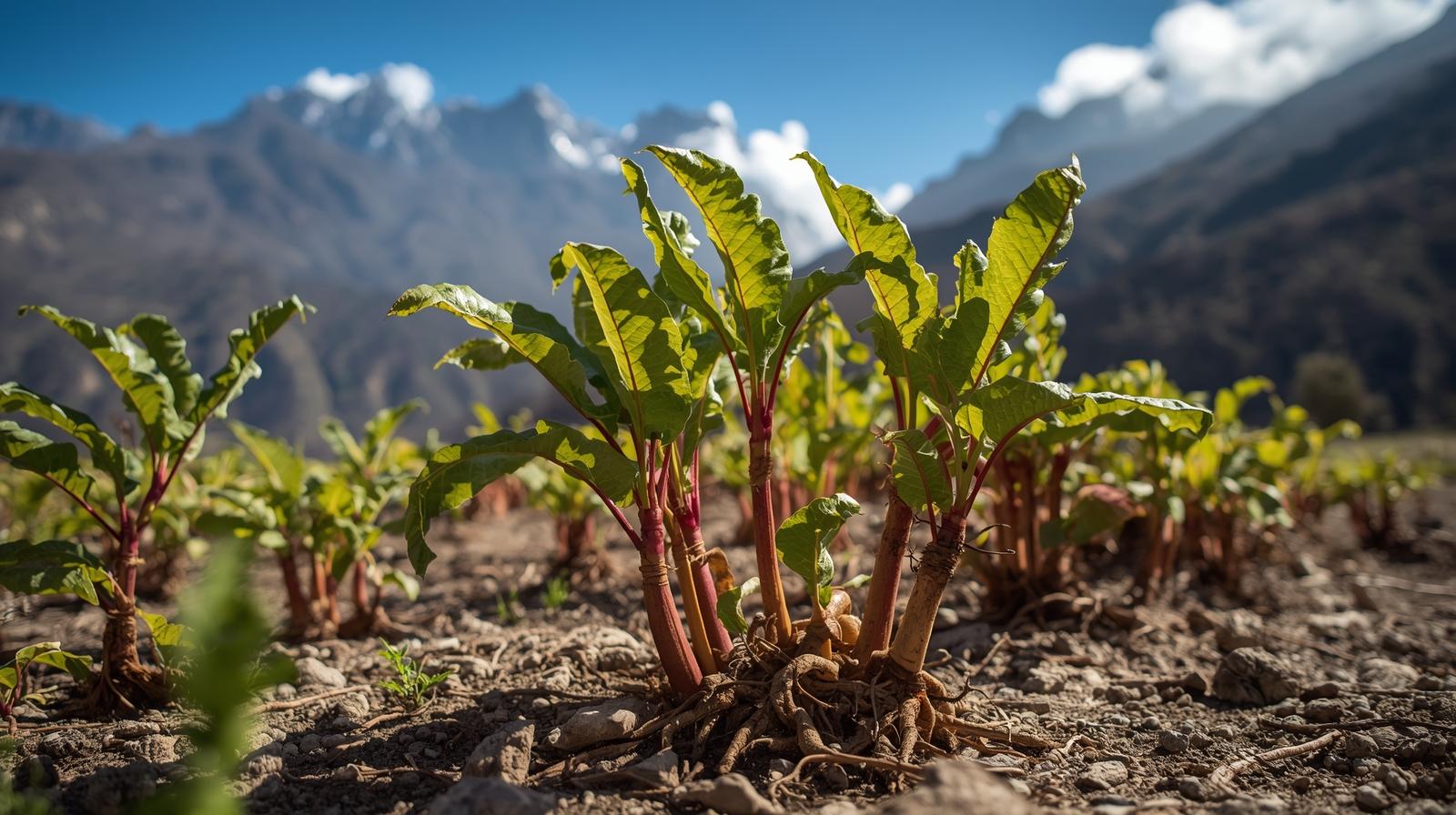
You’ve probably spotted maca root powder in the wellness aisle, promising everything from boundless energy to hormonal harmony. This humble Peruvian tuber has certainly made quite the journey from Andean mountainsides to modern smoothie bowls. But as someone who’s learnt to look beyond the marketing buzz, you’re probably wondering: what does the science actually say about this “superfood”?
The Altitude Advantage: Where Maca Comes From
Maca (Lepidium meyenii) isn’t just any root vegetable. It thrives at elevations of 3,500-4,450 metres in Peru’s Central Highlands, where oxygen is thin and conditions are harsh. For over 2,000 years, indigenous communities have cultivated and consumed maca as both food and medicine, traditionally using it to support fertility, energy, and endurance in these challenging conditions.
This extreme environment may be key to understanding maca’s potential benefits. Plants that survive such conditions often develop unique compounds to protect themselves, and research suggests maca contains several bioactive components including macamides, macaenes, and various alkaloids. These compounds appear to interact with our body’s hormonal and nervous systems, though the mechanisms aren’t fully understood yet.
The traditional use is compelling, but it’s worth noting that what works at altitude in Peru may not translate directly to our lives at sea level. Let’s examine what clinical trials have actually found.
Sexual Function: The Strongest Evidence
If there’s one area where maca has earned some scientific credibility, it’s sexual health. A 2010 systematic review analysed four randomised controlled trials involving 131 participants and found that maca supplementation was associated with improved sexual function compared to placebo groups.
One particularly interesting study followed 57 men for 12 weeks, giving them either maca extract or placebo. Those taking maca reported significant improvements in sexual desire after just 8 weeks, regardless of age or anxiety levels. Another trial with postmenopausal women found similar results after 6 weeks of supplementation.
The mechanism isn’t entirely clear, but research suggests maca may work differently from traditional aphrodisiacs. Rather than affecting sex hormones directly, it appears to influence the central nervous system and may help balance neurotransmitters involved in mood and desire. This could explain why both men and women report benefits, despite their different hormonal profiles.
Hormonal Balance: Nuanced Evidence for Menopause
The marketing often positions maca as a hormonal panacea, but the reality is more nuanced. For menopausal symptoms, there is some promising research, though it’s limited in scope.
A small 2006 study found that early postmenopausal women taking maca experienced reductions in psychological symptoms like anxiety and depression after just six weeks. Interestingly, blood tests showed that maca didn’t significantly alter hormone levels (oestrogen, FSH, or LH), suggesting it may work through other pathways.
Another study compared maca to hormone replacement therapy in postmenopausal women and found both treatments reduced menopausal symptoms, though HRT was more effective for hot flushes. The maca group did show improvements in psychological well-being and sexual function.
What’s particularly intriguing is that maca appears to have adaptogenic properties—potentially helping the body respond better to stress rather than simply boosting or blocking specific hormones. However, we need larger, longer-term studies to truly understand its effects on hormonal health.
Energy and Mood: Promising but Preliminary
The energy claims are perhaps the most common reason people try maca, but the evidence here is more limited. A small 2009 study of recreational cyclists found that those taking maca extract for 14 days improved their 40km time trial performance compared to placebo. However, this was just one study with 8 participants—hardly enough to draw definitive conclusions.
For mood and mental well-being, there’s slightly more to work with. The same study that found improvements in menopausal symptoms also noted significant reductions in measures of anxiety and depression. A separate trial found that maca helped reduce depression scores in postmenopausal women after six weeks.
These effects might be related to maca’s influence on the hypothalamic-pituitary-adrenal (HPA) axis, which governs our stress response. Some research suggests maca may help modulate cortisol levels, though more studies are needed to confirm this mechanism.
Does Colour Matter? Red, Black, and Yellow Varieties
You might have noticed different coloured maca powders available—typically red, black, and yellow. Marketing often suggests these have distinct properties, and there’s actually some research supporting this idea.
Black maca appears to be particularly beneficial for male fertility and sexual function, with studies showing it may improve sperm count and motility better than other varieties. Red maca has shown promise for prostate health and may be more effective for improving mood and reducing anxiety. Yellow maca, the most common variety, seems to have more general effects across the board.
However, most studies use mixed varieties or don’t specify the type, so the evidence for colour-specific benefits remains preliminary. Unless you have a particular health goal and find a product with good quality control, the variety probably matters less than consistent, quality supplementation.
How to Use Maca Safely and Effectively
If you’re curious to try maca, most studies have used doses ranging from 1.5 to 3 grams daily, typically taken as a powder mixed into food or drinks. Starting with a smaller amount (around 1 gram) and gradually increasing may help you assess tolerance.
Maca has a distinctive, slightly nutty, earthy flavour that some find quite pleasant in smoothies, porridge, or baked goods. The powder form is most common and generally more affordable than capsules or extracts.
However, there are some important safety considerations. Maca contains goitrogens—compounds that can interfere with thyroid function, particularly in people with existing thyroid conditions or iodine deficiency. If you have thyroid issues, it’s wise to consult your healthcare provider before adding maca to your routine.
Most people tolerate maca well, though some report mild digestive upset or jitteriness, particularly when first starting or taking larger doses. As with any supplement, quality matters—look for organic, tested products from reputable suppliers.
While maca shows genuine promise, particularly for sexual function and some menopausal symptoms, it’s not the miracle cure often portrayed in marketing materials. The evidence suggests it may offer modest but real benefits as part of a balanced approach to health, rather than a standalone solution to complex health concerns.
_This article is for informational purposes only and doesn’t constitute medical advice. If you have health conditions or take medications, consult your healthcare provider before trying new supplements. Maca is not intended to diagnose, treat, cure, or prevent any disease._
Group Forums
Discuss these articles by joining a Group
Latest Posts





Plantz is owned by Million Media Ltd, a registered UK company number: 15476153
Info
Membership
Notices
- Terms & Conditions
- Delivery Terms
- Privacy Policy
- Publishing Principles