
Milk Thistle: The Complete Guide to Nature’s Liver Detoxifier
Discover milk thistle's 2,000-year history and modern science backing this powerful liver-supporting herb. Evidence-based guide to nature's hepatic protector.
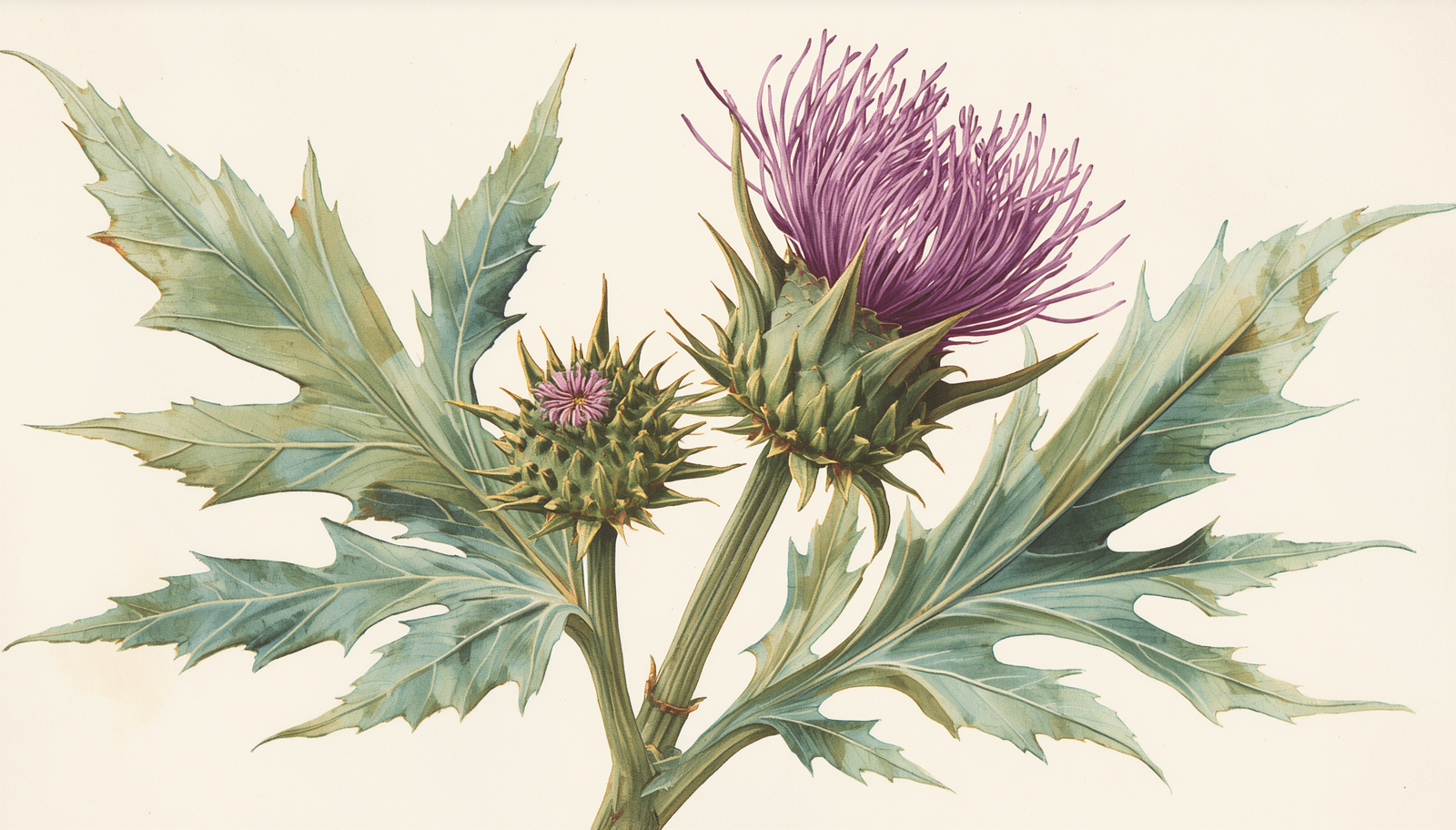
The spiky purple flowers of milk thistle have been catching herbalists’ attention for over 2,000 years. Modern science is finally catching up with what traditional healers have long understood. This remarkable plant offers some of the most compelling evidence for natural liver support available today.
What Is Milk Thistle and Why Does It Matter?
Milk thistle (Silybum marianum) stands out in the botanical world for its distinctive white-veined leaves and purple flower heads. However, the real treasure lies within its seeds, which contain a complex of compounds called silymarin.
Silymarin represents approximately 70-80% of milk thistle extract. This flavonoid complex includes silybin, silydianin, and silychristin, with silybin being the most biologically active component. Specifically, silybin accounts for roughly 50-70% of the silymarin complex.
Interestingly, milk thistle grows wild across Mediterranean regions and has naturalised throughout Europe and North America. The plant’s common name derives from the white markings on its leaves, which legend attributes to drops of the Virgin Mary’s milk.
How Milk Thistle Benefits Liver Health
Research suggests that silymarin works through several complementary mechanisms to support liver function. The compound demonstrates antioxidant properties, helping to neutralise free radicals that can damage liver cells.
Furthermore, silymarin appears to stabilise cell membranes in the liver. This protective effect may help prevent toxins from entering hepatocytes (liver cells) whilst supporting the organ’s natural regenerative processes.
Studies indicate that milk thistle may also influence protein synthesis in liver cells. Specifically, research shows that silymarin can stimulate ribosomal RNA synthesis, potentially supporting the liver’s ability to repair and regenerate damaged tissue.
Additionally, the compound demonstrates anti-inflammatory properties. This effect may help reduce chronic inflammation in the liver, which often contributes to progressive liver damage in various conditions.
Clinical Evidence for Milk Thistle Benefits
Clinical research on milk thistle has focused primarily on chronic liver conditions. Several studies have examined its effects on hepatitis, cirrhosis, and fatty liver disease, though results have been mixed.
For hepatitis, some clinical trials suggest that standardised silymarin extracts may help reduce liver enzyme levels and improve symptoms. However, larger systematic reviews indicate that evidence remains limited, and more rigorous studies are needed to establish clear benefits.
In cases of alcoholic liver disease and cirrhosis, research has shown varying results. Some studies report improvements in liver function tests and reduced mortality rates, whilst others show minimal effects. The variation in results often relates to differences in study design, dosage, and extract standardisation.
Regarding non-alcoholic fatty liver disease (NAFLD), preliminary studies suggest potential benefits. Some clinical trials indicate that milk thistle may help reduce liver fat accumulation and improve metabolic markers, though evidence remains preliminary.
Understanding Milk Thistle Dosage and Standardisation
The effectiveness of milk thistle supplements largely depends on proper standardisation and bioavailability. Most clinical studies use extracts standardised to contain 70-80% silymarin, with typical dosages ranging from 200-600mg of silymarin daily.
However, silymarin has notoriously poor bioavailability when taken orally. Research indicates that only small amounts reach the bloodstream unchanged. Consequently, manufacturers have developed various formulations to enhance absorption.
Phosphatidylcholine-bound silymarin (often called siliphos) demonstrates improved bioavailability compared to standard extracts. Similarly, some manufacturers use micronised silymarin or combine it with other compounds to enhance absorption.
Additionally, timing matters for optimal absorption. Some evidence suggests taking milk thistle with meals may improve uptake, particularly when consumed with foods containing healthy fats.
Different Forms of Milk Thistle Available
Milk thistle supplements come in several forms, each with distinct advantages. Capsules remain the most common format, offering convenience and standardised dosing.
Liquid extracts provide an alternative for those who prefer not to swallow capsules. These tinctures often use alcohol or glycerol as extraction solvents and may offer faster absorption than capsules.
Powdered forms allow for flexible dosing and can be mixed into smoothies or other foods. However, the bitter taste of milk thistle may make this option less palatable for some people.
Some manufacturers also produce combination formulas that blend milk thistle with other liver-supporting herbs like dandelion or artichoke. Whilst these combinations may offer synergistic benefits, they make it harder to assess the specific contribution of milk thistle.
Safety Considerations and Potential Interactions
Generally, milk thistle demonstrates a good safety profile in healthy adults. Most people tolerate standard dosages well, with few reported adverse effects.
However, some individuals may experience mild digestive upset, including nausea, diarrhoea, or stomach discomfort. These effects often resolve by taking supplements with food or reducing the dosage.
More importantly, milk thistle may interact with certain medications. The herb can affect liver enzymes responsible for drug metabolism, potentially altering the effectiveness of some pharmaceuticals.
Specifically, milk thistle may interact with diabetes medications, blood thinners, and some cholesterol-lowering drugs. People taking prescription medications should consult their healthcare provider before starting milk thistle supplements.
What to Look for in Quality Milk Thistle Supplements
When selecting milk thistle products, standardisation represents the most crucial factor. Look for supplements standardised to contain 70-80% silymarin, matching the concentrations used in clinical research.
Third-party testing provides additional quality assurance. Reputable manufacturers often display certificates of analysis showing purity testing for heavy metals, pesticides, and microbial contaminants.
Additionally, consider the extraction method used. CO2 extraction and ethanol extraction typically yield higher-quality silymarin compared to simple powdered whole seeds.
For enhanced bioavailability, products containing phosphatidylcholine-bound silymarin or other absorption-enhancing technologies may offer superior results, though they often cost more than standard extracts.
The journey towards understanding milk thistle continues as researchers explore its potential beyond liver health. Whilst the evidence for liver support remains the strongest, emerging research suggests possible benefits for other conditions. As always, the key lies in choosing quality products and maintaining realistic expectations about what natural supplements can achieve.
_This article is for educational purposes only and does not constitute medical advice. Always consult a healthcare professional before starting any new supplement, especially if you have underlying health conditions or take medications._
Group Forums
Discuss these articles by joining a Group
Latest Posts





Plantz is owned by Million Media Ltd, a registered UK company number: 15476153
Info
Membership
Notices
- Terms & Conditions
- Delivery Terms
- Privacy Policy
- Publishing Principles