
PMS and Period Pain: Evidence-Based Natural Relief Options
Evidence-based natural solutions for PMS and period pain. Research-backed herbs, nutrients, and holistic approaches that actually work for menstrual health.
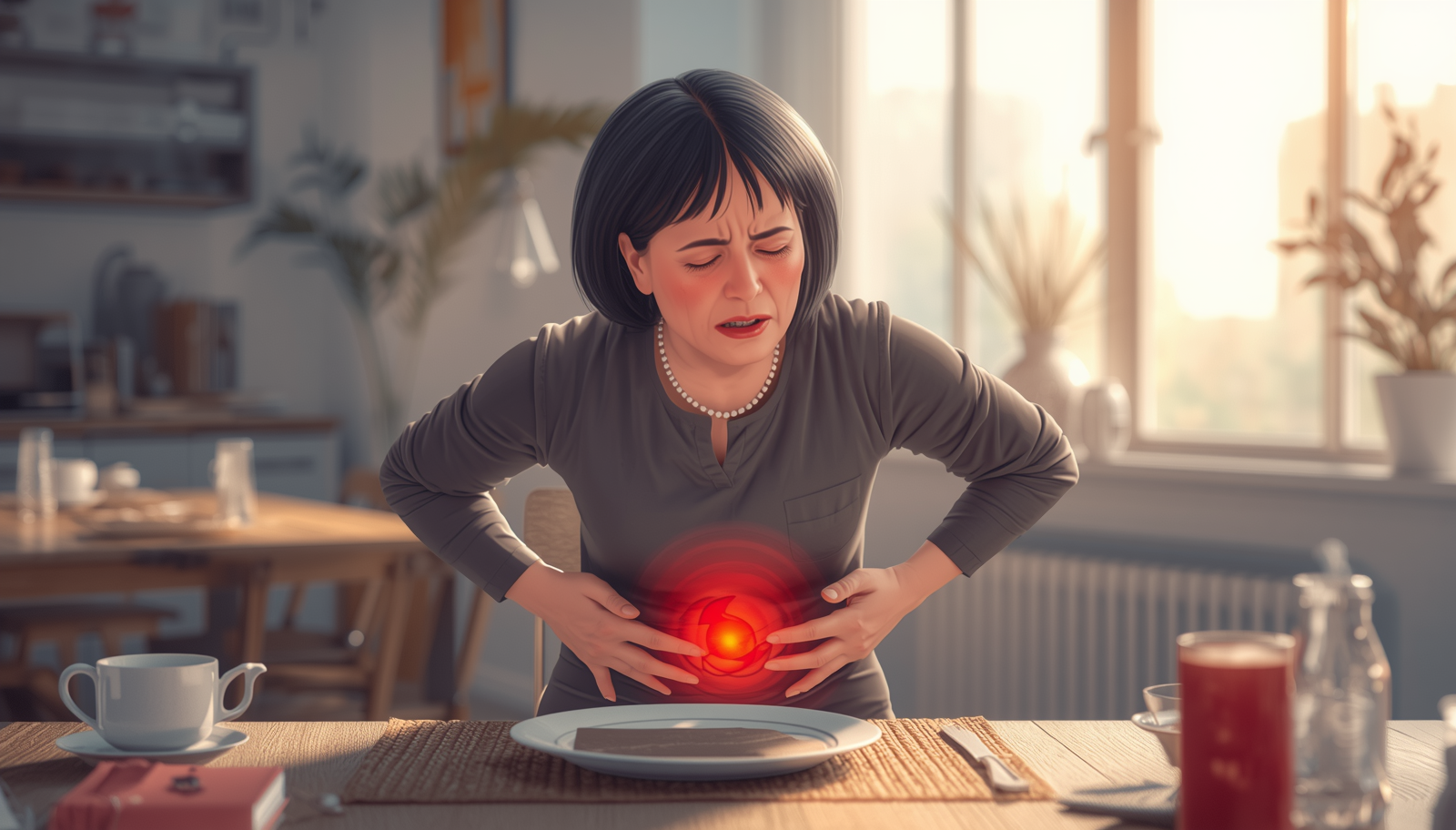
Nearly three-quarters of UK women experience premenstrual symptoms each month. However, many feel their concerns are dismissed or normalised by healthcare providers. Your menstrual cycle doesn’t have to control your life.
> [QUOTE TBC — insert a Women’s Circle quote on PMS here; editorial to source from video transcripts before publication]
Understanding PMS and Period Pain in the UK Context
Premenstrual syndrome affects approximately 75% of menstruating women in the UK, whilst severe premenstrual dysphoric disorder impacts 3-8% of women. These conditions create significant disruption to work, relationships, and quality of life. However, conventional treatments often focus on symptom suppression rather than addressing underlying imbalances.
The symptoms span physical and emotional domains. Physical manifestations include breast tenderness, bloating, headaches, and cramping. Meanwhile, emotional symptoms encompass mood swings, irritability, anxiety, and fatigue. These occur during the luteal phase, typically one to two weeks before menstruation begins.
Importantly, not every menstrual symptom requires medical intervention. Your body’s monthly rhythms involve natural fluctuations. Nevertheless, severe pain that interferes with daily activities or mood changes that significantly impact functioning warrant professional evaluation.
Natural Remedies for PMS and Period Pain: The Evidence Base
Research demonstrates several evidence-based approaches for managing menstrual symptoms. These interventions work through different mechanisms to address inflammation, hormonal balance, and pain perception.
Specifically, anti-inflammatory botanicals target prostaglandin production, which drives menstrual cramping. Meanwhile, adaptogenic herbs support the body’s stress response during hormonal fluctuations. Additionally, targeted nutrients address specific deficiencies that worsen premenstrual symptoms.
For example, systematic reviews consistently show certain herbs perform as well as conventional pain medications. Furthermore, nutritional interventions can address root causes rather than merely masking symptoms. This comprehensive approach aligns with many women’s preference for natural solutions.
Anti-Inflammatory Herbs for Menstrual Cramps
Several herbs demonstrate significant anti-inflammatory effects for period pain relief. Rosemary (Salvia rosmarinus) shows particularly promising evidence for primary dysmenorrhea.
A randomised controlled trial involving 82 college students compared rosemary capsules (250mg three times daily) with mefenamic acid during the first three days of menstruation. Interestingly, rosemary reduced pain scores by 41%, whilst mefenamic acid achieved 39% reduction. No significant difference existed between the treatments, suggesting comparable efficacy.
Similarly, fennel (Foeniculum vulgare) demonstrates impressive results for menstrual pain. Meta-analyses of twelve trials show fennel significantly reduces pain intensity compared to placebo. Moreover, pooled analyses reveal no significant difference between fennel and NSAIDs for pain relief.
German chamomile also shows promise for dysmenorrhea. A systematic review examining seven trials found chamomile effective for reducing both pain and menstrual bleeding in primary dysmenorrhea. The herb works through multiple pathways, including prostaglandin inhibition and smooth muscle relaxation.
Hormonal Balance Support Through Natural Remedies for PMS
Vitex agnus-castus (chasteberry) represents the gold standard for PMS management among herbal medicines. This herb works primarily through dopaminergic mechanisms in the pituitary gland, reducing prolactin levels and supporting progesterone production during the luteal phase.
Multiple randomised controlled trials demonstrate vitex’s effectiveness for PMS symptoms. A meta-analysis of three placebo-controlled trials involving 520 women showed vitex increased symptom remission rates by 2.57 times compared to placebo. Specifically, the herb excels at addressing physical symptoms like breast tenderness, bloating, and cyclical mastalgia.
However, vitex requires patience and consistency. The herb typically needs 2-3 menstrual cycles before showing significant benefits. Additionally, it works best for women with physical-symptom-predominant PMS rather than purely mood-related symptoms.
For mood-related premenstrual symptoms, valerian (Valeriana officinalis) shows encouraging evidence. A meta-analysis of five trials found valerian reduced dysmenorrhea pain by approximately one point on a 0-10 visual analogue scale. The herb’s GABAergic effects may also help with premenstrual anxiety and sleep disturbances.
Essential Nutrients: Magnesium and B-Vitamins for PMS
Nutritional interventions address specific deficiencies that worsen premenstrual symptoms. Magnesium deficiency commonly occurs in women with PMS, particularly those experiencing severe cramping and mood symptoms.
Research suggests magnesium supplementation reduces menstrual pain intensity and duration. The mineral works by relaxing smooth muscle contractions in the uterus whilst supporting healthy neurotransmitter function. Additionally, magnesium helps regulate the stress response during premenstrual phases.
B-vitamins, particularly B6, play crucial roles in neurotransmitter synthesis and hormonal metabolism. Studies indicate B6 supplementation may reduce premenstrual mood symptoms and breast tenderness. However, dosing requires careful consideration, as excessive B6 intake can cause peripheral neuropathy.
Furthermore, inositol shows promise for women with PCOS-related menstrual irregularities. The 40:1 ratio of myo-inositol to d-chiro-inositol (4000mg myo-inositol plus 100mg d-chiro-inositol) matches physiological ratios and demonstrates efficacy comparable to metformin for PCOS management.
Cannabis-Based Medicines for Menstrual Health
Medical cannabis represents an emerging area of interest for menstrual health conditions. In the UK, cannabis-based medicinal products require prescription from a specialist doctor on the GMC register under Schedule 2 of the Misuse of Drugs Regulations 2001.
Research suggests the endocannabinoid system plays important roles in reproductive health. Specifically, endocannabinoid tone naturally fluctuates throughout the menstrual cycle, with lower anandamide levels during the luteal phase potentially contributing to PMS symptoms.
The UK Medical Cannabis Registry has documented cases of women using prescribed cannabis for endometriosis-associated pelvic pain. These studies show improvements in pain scores across multiple validated instruments over 18-month follow-up periods. However, individual responses vary considerably, and more research is needed to establish optimal protocols.
Cannabis effects may vary throughout the menstrual cycle due to hormonal fluctuations. During the follicular phase, rising oestrogen levels may increase THC sensitivity, whilst the luteal phase may represent a therapeutic window for managing PMS symptoms through endocannabinoid system support.
Practical Implementation of Natural PMS Remedies
Successful symptom management requires strategic timing and realistic expectations. Most herbal interventions work best when started before symptoms become severe, rather than waiting for peak discomfort.
For acute period pain, rosemary or fennel can be taken during the first three days of menstruation at onset of symptoms. Conversely, vitex for PMS requires daily use throughout the cycle, typically taken as a morning dose away from food. Additionally, magnesium supplementation works best when maintained consistently rather than used sporadically.
Quality matters significantly with herbal preparations. Look for standardised extracts with confirmed active compound concentrations. Moreover, choose products from reputable manufacturers with third-party testing for purity and potency. Traditional herbal registration (THR) products meet specific quality standards for safety and consistent dosing.
Consider keeping a symptom diary to track patterns and treatment responses. This information proves invaluable for identifying triggers and evaluating intervention effectiveness over time.
When to Seek Medical Evaluation
Certain symptoms require professional medical assessment rather than self-treatment approaches. Severe pain that prevents normal activities, flooding that soaks through protection hourly, or mood changes that significantly impact relationships warrant GP consultation.
Additionally, sudden changes in established menstrual patterns, bleeding between periods, or absence of periods for three months require evaluation. These symptoms may indicate underlying conditions like endometriosis, fibroids, or hormonal disorders that need medical diagnosis and treatment.
If PMS symptoms severely impact your ability to work, maintain relationships, or enjoy life, discuss PMDD evaluation with your healthcare provider. This condition may require combined approaches including counselling, lifestyle modifications, and potentially pharmaceutical interventions alongside natural supports.
Understanding your menstrual cycle as part of your overall health picture empowers informed decisions about when to seek help and what approaches align with your values and preferences.
_This article is for educational purposes only and does not constitute medical advice. Always consult a healthcare professional before starting any new supplement or medication, especially if you have underlying health conditions._
Group Forums
Discuss these articles by joining a Group
Latest Posts




Plantz is owned by Million Media Ltd, a registered UK company number: 15476153
Info
Membership
Notices
- Terms & Conditions
- Delivery Terms
- Privacy Policy
- Publishing Principles