


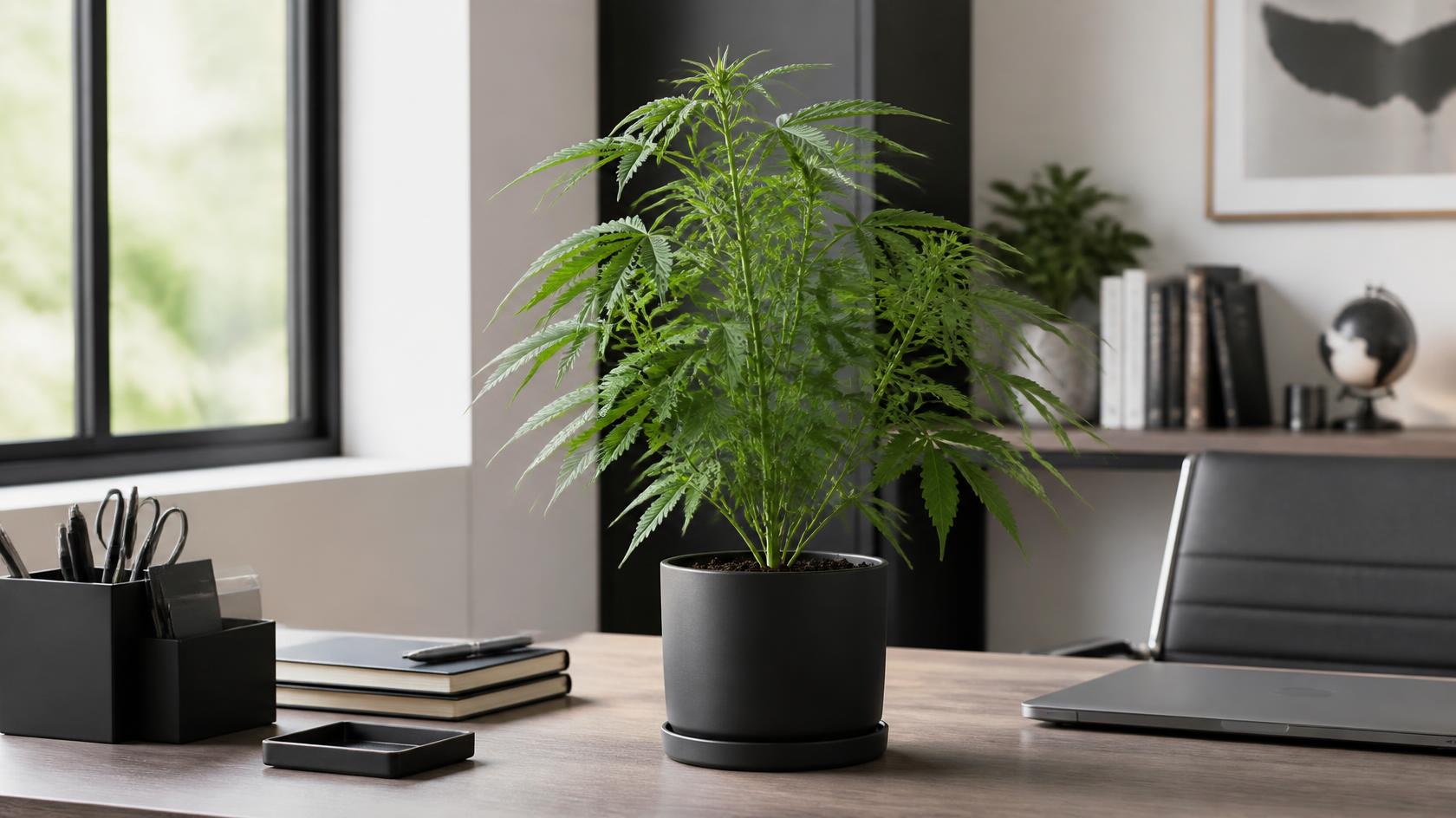



We take a look at Pure's claims for their gummies for sleep
The promise: a THC‑free, melatonin‑free gummy that helps you drift off fast and stay asleep. The headline features two ideas Aisha will care about: a fast‑onset technology (Azuca’s TiME INFUSION) and a layered formula pairing 20 mg CBN with a “Stay Asleep Complex” of lemon balm, tart cherry (CherryPURE), L‑theanine, chamomile and 5‑HTP. The launch copy sits on Fitt Insider’s press desk, positioning Pure Sleep as a dual‑action, 5–15 minute solution. (insider.fitt.co)
Onset first. Azuca’s platform encapsulates cannabinoids to make them more water‑friendly; brands using it commonly report a 5–15 minute onset for edibles. Independent pharmacokinetic data for this specific gummy aren’t yet public, but the mechanism—improved dispersion and some buccal/gastric uptake—tracks with what fast‑acting edible tech aims to do. Expect “faster than a standard gummy,” while recognising that individual responses vary. (azuca.co)
CBN has moved from anecdotes to early human trials. A 2023 placebo‑controlled study (7 nights; n≈293) found 20 mg CBN reduced night awakenings and overall sleep disturbance; overall sleep‑quality gains trended positive but weren’t statistically significant. A 2024 RCT testing 25–100 mg CBN reported sleep‑quality improvements vs. placebo, broadly similar to low‑dose melatonin. Another RCT found adding low‑dose CBN to CBD did not outperform CBD alone, suggesting dose and context matter. Taken together: supportive, not definitive—and promising for middle‑of‑the‑night awakenings. (pubmed.ncbi.nlm.nih.gov)
The botanicals here aren’t window‑dressing. L‑theanine (≈200 mg/day in trials) has reduced PSQI sleep‑disturbance indices and shortened sleep latency in healthy adults. Lemon balm has a small but growing clinical literature linking it to calmer mood and improved sleep scores in specific groups (e.g., menopausal women), aligning with its role here. Chamomile’s ingestible evidence for chronic insomnia is mixed, yet it remains gently anxiolytic in other contexts; that calming tone can still support a bedtime ritual. Tart cherry concentrates have increased sleep time/efficiency in small trials, plausibly via melatonin and tryptophan pathways. 5‑HTP, a serotonin precursor, has improved PSQI components in older poor sleepers, but do check for interactions if using antidepressants or migraine medicines. (pubmed.ncbi.nlm.nih.gov)
Charlotte’s Web “Stay Asleep” also anchors on 20 mg CBN and cites a placebo‑controlled study for fewer night awakenings; no fast‑onset tech, simpler stack. WYLD’s Elderberry pairs 25 mg CBD with 5 mg CBN; slower onset, different feel. CBDistillery’s Deep Sleep Synergy adds 5 mg THC with CBD+CBN—potent, but not ideal where drug testing or THC avoidance matters. Pure Sleep’s distinctive pointss are the rapid‑onset claim plus a comprehensive, melatonin‑free botanical layer.
Slumber has focused on sleep‑led cannabinoid products since 2019, publishes consumer‑reported outcomes for prior SKUs, and lists hundreds of on‑site reviews for Pure Sleep (early, brand‑hosted). Independent commentary is emerging and mixed‑to‑positive: solid variety and innovation, with reviewers asking for fuller contaminant panels across lines. BBB shows a basic profile without accreditation—limited signal either way. (slumbercbn.com)
A UK‑specific note. Cannabinol (CBN) and its derivatives are controlled in the UK; importing or buying CBN products without the appropriate authorisations is unlawful. If curious about the botanical approach, look instead to UK‑compliant CBD plus lemon balm/chamomile blends for a similar, legal bedtime ritual. (gov.uk)
Pure Sleep’s design reflects where sleep science is heading: multi‑pathway, gentler stacks that nudge onset and continuity without heavy sedatives. The CBN evidence is cautiously encouraging for nocturnal awakenings; L‑theanine, lemon balm and tart cherry add sensible scaffolding; 5‑HTP warrants a quick medications check. For readers in the UK, translate the idea—fast‑onset formats and calming botanicals—into legal, evidence‑minded alternatives available locally. (pubmed.ncbi.nlm.nih.gov)
Discuss these articles by joining a Group
Plantz is owned by Million Media Ltd, a registered UK company number: 15476153
We use cookies to improve your experience on our site. By using our site, you consent to cookies.
Manage your cookie preferences below:
Essential cookies enable basic functions and are necessary for the proper function of the website.
These cookies are used for managing login functionality on this website.
Statistics cookies collect information anonymously. This information helps us understand how visitors use our website.
Google Analytics is a powerful tool that tracks and analyzes website traffic for informed marketing decisions.
Service URL: policies.google.com (opens in a new window)
SourceBuster is used by WooCommerce for order attribution based on user source.
You can find more information in our Cookie Policy and Privacy Policy.