
Your Gut Makes 90% of Your Serotonin — What Probiotics Can (and Can’t) Do About It
Your gut produces 90% of your serotonin, but can probiotics really boost your mood? We examine the science behind psychobiotics and what they can actually do.

You’ve probably heard the statistic: your gut produces 90% of your body’s serotonin. It’s a fascinating fact that’s sparked thousands of wellness posts promising that the right probiotic will transform your mood. But as with most things in nutrition science, the reality is more nuanced than the headlines suggest.
The gut-brain connection is very real, but understanding what probiotics can actually do for your mental wellbeing requires looking beyond the marketing claims to examine the mechanisms at play.
The Gut-Brain Highway: How Your Microbes Talk to Your Mind
Your gut and brain are in constant communication through what scientists call the gut-brain axis. This isn’t just one pathway, but a complex network involving the vagus nerve, immune system, and chemical messengers produced by your gut bacteria.
The vagus nerve acts like a superhighway between your digestive system and brain, carrying signals in both directions. When researchers cut this nerve in animal studies, many gut-brain effects disappear, highlighting its crucial role. Your gut bacteria can influence this communication by producing neurotransmitters, inflammatory compounds, and metabolites that affect nerve signalling.
Your gut also houses the enteric nervous system – sometimes called your “second brain” – which contains more neurons than your spinal cord. This network can operate independently of your central nervous system, which explains why you might feel “gut reactions” before your conscious mind catches up.
Research suggests that certain bacterial strains can produce or influence neurotransmitters directly. Some Lactobacillus species produce GABA (a calming neurotransmitter), while certain Enterococcus and Streptococcus strains can produce serotonin. But here’s where it gets complicated.
The Serotonin Puzzle: Location Matters
That 90% serotonin statistic is accurate – most of your body’s serotonin is indeed produced in your gut, specifically by enterochromaffin cells in your intestinal lining. But this doesn’t necessarily translate to mood benefits in the way many assume.
The serotonin produced in your gut primarily regulates digestion, gut motility, and local immune responses. It doesn’t easily cross the blood-brain barrier, meaning gut-produced serotonin doesn’t directly become brain serotonin that affects mood.
However, the gut-brain axis means the story isn’t over. Your gut microbes can influence serotonin production and signalling in several ways: they can stimulate serotonin-producing cells in your gut lining, affect the availability of tryptophan (serotonin’s building block), and influence inflammatory pathways that impact brain serotonin synthesis.
Studies have shown that people with depression often have altered gut microbiomes and different levels of bacterial metabolites that could affect serotonin pathways. But establishing causation – whether gut changes drive mood changes or vice versa – remains challenging.
Psychobiotics: The Strains with Evidence
The term “psychobiotics” refers to specific probiotic strains that have been studied for mental health effects. Unlike general digestive probiotics, these strains have shown potential to influence mood, anxiety, or stress responses in clinical trials.
Lactobacillus rhamnosus JB-1 is one of the most researched psychobiotic strains. In animal studies, this strain reduced anxiety and depression-like behaviours and altered GABA receptor expression in the brain. However, when researchers tested it in humans with moderate anxiety, the results were less dramatic than the animal studies suggested.
Bifidobacterium longum 1714 has shown more promising human results. A randomized controlled trial found that this strain reduced stress and improved memory performance in healthy adults over four weeks. Brain imaging revealed changes in areas associated with emotional processing.
Another study examining Lactobacillus helveticus R0052 and Bifidobacterium longum R0175 found that this combination reduced depression and anxiety scores compared to placebo over 30 days. Participants also showed lower levels of the stress hormone cortisol.
What Clinical Trials Actually Show
The clinical evidence for probiotics and mental health is growing but remains mixed. A 2020 systematic review of randomized controlled trials found that certain probiotic interventions showed modest benefits for depression and anxiety symptoms, but the effects were generally small and study quality varied significantly.
Most positive studies have used specific, well-characterized strains at precise dosages, often in people with mild to moderate symptoms rather than severe mental health conditions. The duration of studies has typically been 4-12 weeks, so we don’t know about longer-term effects.
Importantly, many studies have been conducted in healthy populations or people with subclinical symptoms, not those with diagnosed depression or anxiety disorders. The results shouldn’t be interpreted as evidence that probiotics can treat clinical mental health conditions.
The research also reveals significant individual variation in response. Some people show clear improvements in mood or stress markers, while others show no change, likely reflecting differences in baseline gut microbiome composition, genetics, and lifestyle factors.
The Commercial Reality Gap
Here’s a crucial point that often gets lost in wellness marketing: most commercial probiotics haven’t been tested for mental health outcomes. The specific strains with research backing are often different from what you’ll find in high-street supplements.
Many probiotic products contain generic strains at unspecified quantities, making it impossible to know whether they could deliver the effects seen in clinical trials. Even products claiming to support “mood” or “stress” may not contain the researched psychobiotic strains at effective doses.
The supplement industry can make structure-function claims about supporting “normal mood” or “stress response” without proving their specific products work for these purposes. This creates a significant gap between research evidence and what’s actually available to consumers.
Practical Approaches: Food First, Then Supplements
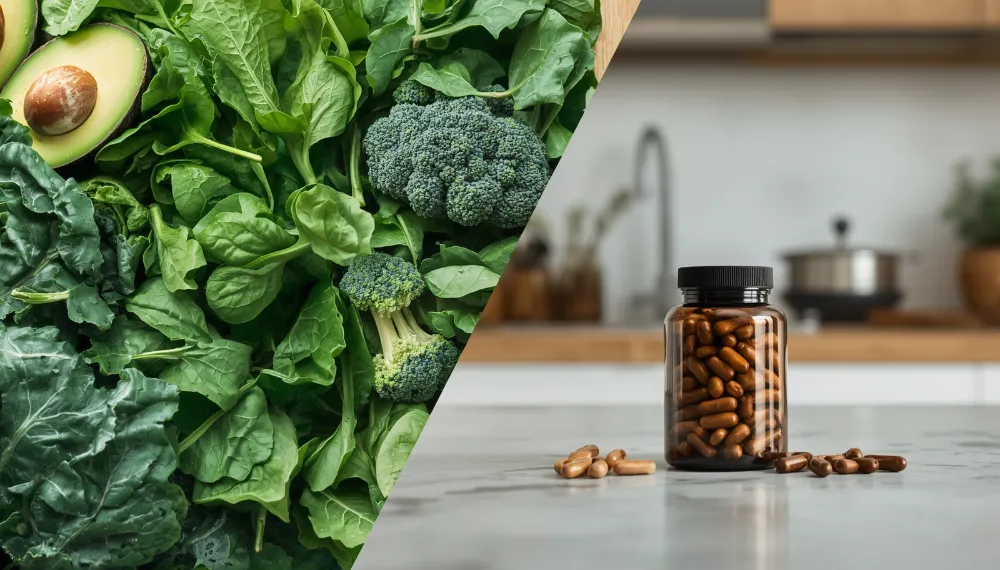
Given the current evidence, a food-first approach makes sense for supporting the gut-brain connection. Fermented foods like kefir, sauerkraut, kimchi, and yogurt provide diverse beneficial bacteria alongside other nutrients that support gut health.
These foods have been consumed for centuries and offer broader nutritional benefits beyond their probiotic content. They also tend to contain multiple bacterial strains, which may be more beneficial than single-strain supplements.
If you’re considering probiotic supplements specifically for mood support, look for products containing the researched strains (like L. rhamnosus JB-1 or B. longum 1714) at doses similar to those used in studies. However, these specialized psychobiotics are often only available through healthcare practitioners or specialized retailers.
For general gut health that may indirectly support the gut-brain axis, focus on feeding your existing beneficial bacteria with prebiotic fibres from vegetables, fruits, and whole grains. This approach supports your microbiome’s diversity and may be more sustainable than relying solely on supplements.
The gut-brain axis represents an exciting frontier in understanding mental health, but we’re still in the early stages of translating research into practical interventions. While certain probiotic strains show promise for supporting mood and reducing stress, they’re not magic bullets for mental health concerns.
_This article is for informational purposes only and doesn’t constitute medical advice. If you’re experiencing depression, anxiety, or other mental health concerns, please consult with a healthcare professional. Probiotics shouldn’t replace established mental health treatments._
Group Forums
Discuss these articles by joining a Group
Latest Posts





Plantz is owned by Million Media Ltd, a registered UK company number: 15476153
Info
Membership
Notices
- Terms & Conditions
- Delivery Terms
- Privacy Policy
- Publishing Principles