
Zinc: The Immune Mineral Most People Don’t Get Enough Of
Zinc orchestrates 300+ enzymatic reactions and is essential for immune function, yet many don't get enough. Learn about forms, dosing, and food sources.

You might not give zinc much thought, but this unassuming mineral is quietly orchestrating some of your body’s most vital functions. From supporting your immune system to healing wounds, zinc works behind the scenes in over 300 enzymatic reactions. Yet despite its importance, many of us simply aren’t getting enough – and our immune systems may be paying the price.
Why Your Immune System Needs Zinc
Zinc isn’t just helpful for immunity – it’s absolutely essential. This mineral acts as a cofactor for numerous enzymes involved in immune cell development and function. Research suggests that zinc deficiency can significantly impair your body’s ability to mount an effective immune response.
Your immune cells rely on zinc for proper development, particularly T-cells and natural killer cells that help identify and eliminate threats. When zinc levels are suboptimal, these cellular defenders can’t function at their best. Studies have shown that even mild zinc deficiency can reduce the activity of key immune cells and increase susceptibility to infections.
What’s particularly interesting is zinc’s role in maintaining the integrity of your skin and mucous membranes – your body’s first line of defence against pathogens. Without adequate zinc, these protective barriers become compromised, potentially allowing harmful microorganisms easier entry into your system.
The Cold Connection: What the Evidence Shows
Perhaps the most well-researched application of zinc for immune support is its use in reducing cold duration. Multiple clinical trials have examined zinc lozenges specifically, with encouraging results.
A comprehensive meta-analysis of randomised controlled trials found that zinc lozenges may reduce the duration of common cold symptoms by approximately 1-2 days when taken within 24 hours of symptom onset. The research suggests this effect is most pronounced with zinc acetate or gluconate lozenges providing 75-100mg of elemental zinc daily, divided into multiple doses throughout the day.
However, it’s worth noting that not all studies show consistent benefits, and the quality of zinc supplements varies considerably. The form matters too – some studies using zinc sulphate showed less promising results, possibly due to different absorption characteristics or interactions with other compounds in the lozenges.
Are You Getting Enough? UK Intake Patterns
The reality is that many people in the UK aren’t meeting their zinc requirements through diet alone. The Reference Nutrient Intake (RNI) for zinc is 9.5mg daily for men and 7mg for women, but surveys suggest a significant portion of the population falls short of these targets.
Certain groups are at higher risk of zinc insufficiency. Vegetarians and vegans may struggle to meet their zinc needs because plant-based sources are less readily absorbed than those from animal products. Older adults often have reduced zinc absorption, while pregnant and breastfeeding women have increased requirements.
Soil depletion in some agricultural areas has also contributed to lower zinc content in crops, potentially affecting the zinc density of plant foods. Additionally, high levels of dietary fibre, calcium, and iron can interfere with zinc absorption, creating a complex interplay of factors that influence your zinc status.
Forms and Absorption: Making Sense of Supplement Options
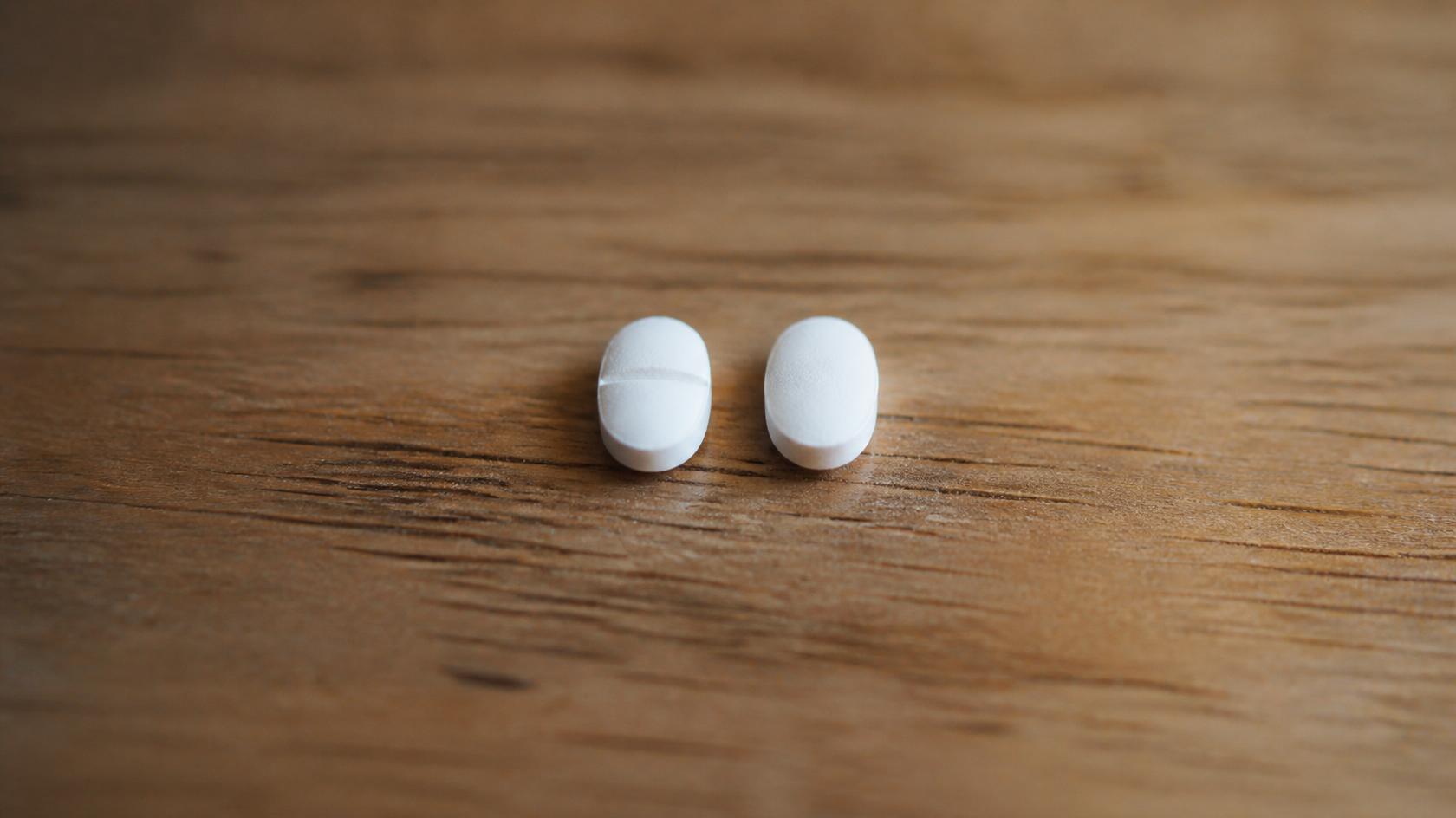
If you’re considering zinc supplementation, understanding the different forms can help you make an informed choice. Zinc bound to organic acids – such as zinc picolinate, citrate, or bisglycinate – generally show better absorption than inorganic forms like zinc oxide or sulphate.
Zinc picolinate is often cited as having superior bioavailability because picolinic acid is naturally produced in your intestines and appears to enhance mineral absorption. Zinc gluconate strikes a balance between good absorption and gentleness on the stomach, which is why it’s commonly used in lozenges and supplements.
The timing of supplementation matters too. Taking zinc on an empty stomach maximises absorption, but this can cause nausea in some people. If you experience stomach upset, taking zinc with a small amount of food (but not with high-calcium or high-fibre meals) can help while still allowing reasonable absorption.
Dosing Considerations and Safety
When it comes to zinc supplementation, more isn’t necessarily better. For general immune support, doses of 8-15mg daily are typically sufficient for most adults. For acute situations like cold symptoms, therapeutic doses of 75-100mg daily (divided into multiple doses) may be used short-term, but this should be under guidance from a healthcare practitioner.
The upper safe limit for zinc is 25mg daily for long-term use. Exceeding this consistently can lead to copper deficiency, as zinc and copper compete for absorption. Symptoms of excess zinc intake include nausea, loss of appetite, stomach cramps, and headaches.
It’s also important to consider interactions. Zinc can reduce the absorption of certain antibiotics and may interfere with some medications. If you’re taking prescription drugs, it’s wise to discuss zinc supplementation with your healthcare provider.
Food First: Natural Sources of Zinc
Before reaching for supplements, consider whether you can boost your zinc intake through food. Oysters are by far the richest source, providing over 70mg per serving – though they’re hardly an everyday food for most of us.
More practical daily sources include lean meats, poultry, fish, eggs, dairy products, nuts, seeds, and legumes. Pumpkin seeds are particularly zinc-rich among plant foods, providing about 2.2mg per 30g serving. Cashews, chickpeas, and fortified cereals can also contribute meaningful amounts.
For optimal absorption from plant sources, try soaking nuts and legumes before eating them, as this can reduce compounds that inhibit zinc uptake. Combining zinc-rich foods with sources of protein may also enhance absorption.
Making an Informed Decision
Zinc supplementation makes most sense if you’re at risk of deficiency, frequently get colds, or have been advised by a healthcare practitioner. For most people eating a varied diet that includes some animal products, food sources may provide adequate zinc.
Consider your individual circumstances: your age, dietary pattern, stress levels, and frequency of infections can all influence your zinc needs. If you’re unsure about your zinc status, speaking with a healthcare provider about testing or supplementation can provide personalised guidance.
Remember that supporting your immune system involves multiple factors beyond any single nutrient. Adequate sleep, regular exercise, stress management, and a balanced diet all work together to keep your defences strong.
_This article is for informational purposes only and is not intended to diagnose, treat, cure, or prevent any disease. Always consult with a qualified healthcare practitioner before starting any new supplement regimen, particularly if you have existing health conditions or take medications._
Group Forums
Discuss these articles by joining a Group
Latest Posts





Plantz is owned by Million Media Ltd, a registered UK company number: 15476153
Info
Membership
Notices
- Terms & Conditions
- Delivery Terms
- Privacy Policy
- Publishing Principles