
Betaine Supplements Could Mimic Exercise and Boost Lengevity
Betaine supports homocysteine metabolism and cellular stress; it may mimic exercise cues for longevity, best from wholegrains and leafy greens.

What is betaine?
If you’ve ever wondered “what is betaine,” think of it as a small, water-loving molecule your body already makes—and you also eat it in certain foods. Chemically called trimethylglycine, betaine donates methyl groups that help recycle homocysteine back to methionine, mainly in the liver and kidneys. It also acts as an osmolyte, helping cells stay balanced under stress. In the UK/EU, foods or supplements that provide enough betaine may claim they “contribute to normal homocysteine metabolism,” with an advised intake of 1.5 g/day for that benefit and a warning that more than 4 g/day may raise blood cholesterol. Evidence-led and regulated: that’s the tone to keep in mind. (academic.oup.com)
Why it’s in the news now
Fresh research maps how our bodies adapt from a single workout to weeks of training and spotlights a kidney–betaine pathway at the heart of many “exercise is anti‑ageing” effects. In volunteers and animal models, sustained exercise raised circulating betaine; intriguingly, giving betaine on its own reproduced several training‑like benefits, notably calming inflammation. Mechanistically, the team reports that betaine can inhibit TBK1, a pro‑inflammatory kinase—offering a plausible link between movement, immunity and longevity signals. Early, exciting, and very much a “watch this space” moment. (sciencedaily.com)
What is betaine found in? Everyday food sources
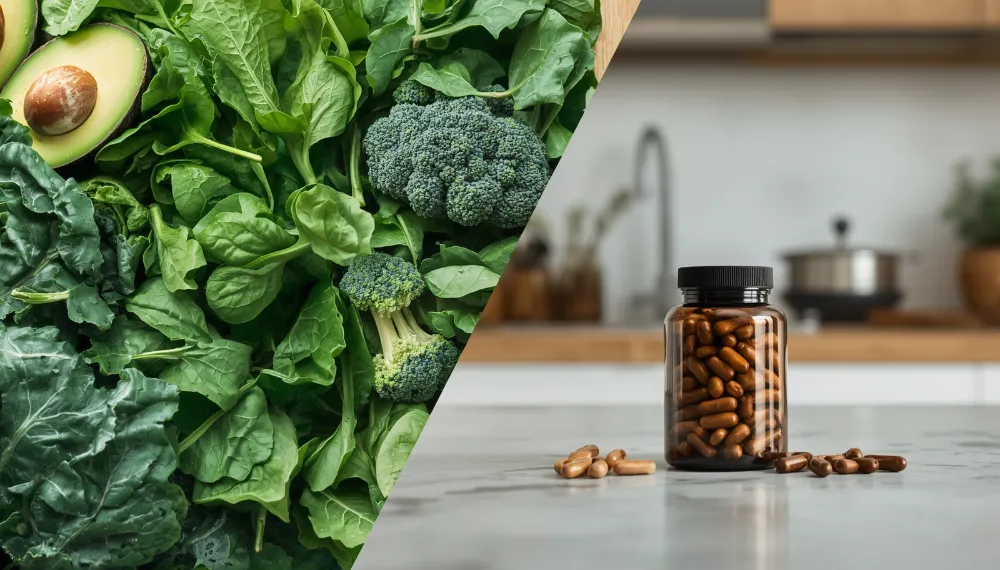
Wholegrains and leafy greens quietly carry most of the load. Classic lab analyses list some of the richest foods per 100 g as wheat bran (~1,339–1,506 mg), wheat germ (~1,241–1,395 mg), spinach (~645–725 mg), pretzels (~237–266 mg), shrimp (~218–246 mg), and standard wheat bread (~201–227 mg). Milling matters: most betaine in wheat sits in the bran and germ, so wholegrain choices deliver more. (pubmed.ncbi.nlm.nih.gov)
In real life, we don’t eat 100 g of bran at a time. That’s okay. Population studies show the biggest day‑to‑day contributors are “dark” and white breads, spinach, breakfast cereals and pasta—simple, familiar foods. Typical daily intakes cluster around 100–300 mg, which you can reach with small, regular wholegrain and veg choices. (bmccardiovascdisord.biomedcentral.com)
Why betaine is interesting (science, not hype)
- Metabolism: As a methyl donor, betaine supports normal homocysteine metabolism—a claim permitted in the UK/EU when products meet specific content and label conditions. That’s helpful context, not a miracle promise. (legislation.gov.uk)
- Cellular balance: Betaine acts as an osmolyte, protecting proteins and enzymes and helping cells tolerate stress—one reason it’s abundant in plants and marine foods. (academic.oup.com)
- Exercise‑like signals: The 2025 work suggests betaine may help mimic aspects of training by dampening TBK1‑driven inflammation. It’s promising, but larger, longer human trials are needed. Keep the curiosity, park the certainty. (sciencedaily.com)
- Performance: Sports‑nutrition studies are small and mixed. Some report modest strength or power benefits; many do not. Useful to know, not a reason to overhaul your routine. (ods.od.nih.gov)
How to use this knowledge to nourish health
If you’re like many of us, you prefer gentle shifts over grand overhauls. A food‑first ritual works well:
- Build a wholegrain base: choose wholemeal bread, oats with a spoon of wheat bran, or wholegrain crackers. Whole grains are steady betaine sources across populations. (bmccardiovascdisord.biomedcentral.com)
- Add leafy and earthy: fold spinach into omelettes, toss a beetroot salad, or blitz beetroot into hummus. Spinach and beets consistently test high for betaine. (pubmed.ncbi.nlm.nih.gov)
- Little and often: a sprinkle of wheat germ over yogurt, greens at lunch, wholegrain toast at breakfast. Those small moves typically land you in the 100–300 mg/day range seen in surveys. (ods.od.nih.gov)
And keep moving. Even if betaine explains part of exercise’s magic, the full gift of movement—muscle, mood, metabolism—goes far beyond one molecule. Think of betaine as a thread in the larger tapestry. (sciencedaily.com)
What about supplements? A calm, balanced view
- Regulation and wording: In the UK/EU, products can only claim that betaine contributes to normal homocysteine metabolism if they contain enough per portion and include the required daily amount (1.5 g) and the >4 g/day cholesterol warning. If a label goes further, treat it with healthy scepticism. (legislation.gov.uk)
A gentle closing thought for your wellness toolkit: choose more wholegrains, enjoy your greens, say yes to beetroot, and move in ways you actually love. If you’re curious about betaine supplements, start with food and speak to a healthcare professional—especially if you’re pregnant, on medication, or managing a condition. This piece is educational and not a substitute for personalised medical advice. (academic.oup.com)
Group Forums
Discuss these articles by joining a Group
Latest Posts





Plantz is owned by Million Media Ltd, a registered UK company number: 15476153
Info
Membership
Notices
- Terms & Conditions
- Delivery Terms
- Privacy Policy
- Publishing Principles