




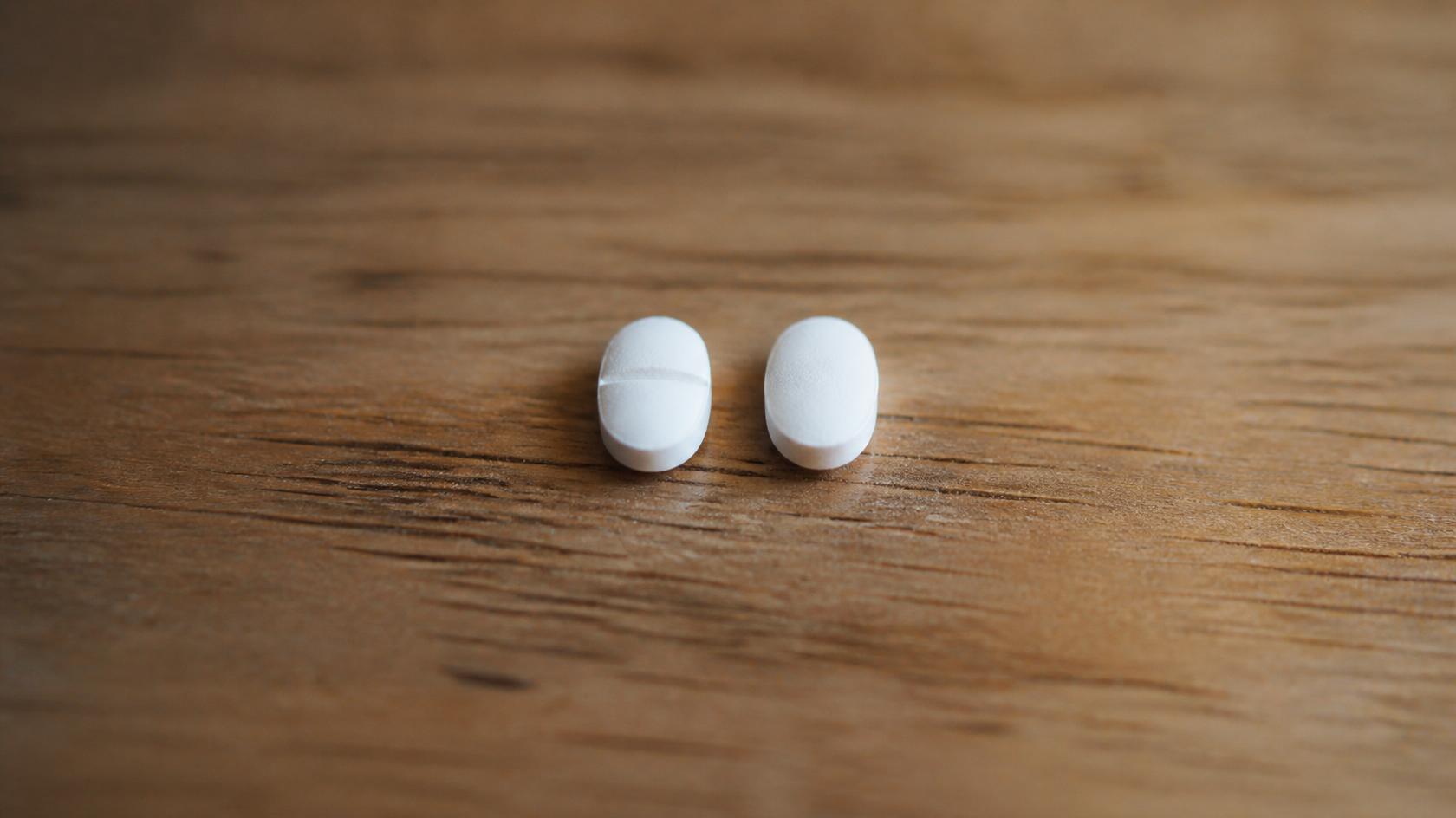

Dried ginger powder capsules (750–2000 mg daily) reduce dysmenorrhea and period pain, comparable to mefenamic acid, with good safety.
If you live with monthly cramps, you’ve likely wondered: Can ginger help dysmenorrhea in a real, measurable way? The short answer is yes—when you use the right form, dose, and timing, the evidence is compelling.
Systematic reviews and meta-analyses of randomised trials report that oral ginger reduces period pain versus placebo, with a clinically meaningful effect size. In direct comparisons with the NSAID mefenamic acid, ginger delivered similar pain relief with no significant difference in intensity scores. In other words, ginger performed about as well as a standard painkiller used for cramps.
Most trials used 750–2000 mg per day of dried ginger powder in capsules during the first three to four days of bleeding. Starting at the onset of your period—or just before if your cycle is predictable—consistently aligned with better outcomes. This early start helps moderate prostaglandin build‑up, which drives cramping.
Form is not a small detail. Fresh ginger is rich in gingerols, while drying converts some of those compounds into shogaols, which dominate in many supplements. Most positive trials used dried powder capsules, not fresh ginger tea. That difference likely explains why kitchen remedies can feel hit‑and‑miss.
You may also appreciate the pace of onset. Human pharmacokinetic studies show key compounds reach peak blood levels at about one hour after ingestion. That timeline fits an acute‑care use case like period pain.
Ginger appears to act as a gentle, multi‑target anti‑inflammatory. Preclinical data show it modulates COX‑2 and NF‑κB pathways and can influence prostaglandin and leukotriene synthesis. That profile offers a clear biological rationale for the pain reductions seen in trials of primary dysmenorrhea.
Ginger is generally well tolerated. The most common complaint is mild heartburn, which you can often prevent by taking capsules with food. Unlike long‑term NSAID use, ginger has not carried the same risks of gastrointestinal bleeding, cardiovascular events, or renal issues in clinical studies. That difference may matter if you need support cycle after cycle.
The warfarin warning is widespread, yet a high‑quality human pharmacokinetic and pharmacodynamic study found no meaningful interaction at standard doses. If you take warfarin, still discuss any supplement with your clinician, but the best available human data are reassuring. For people on transplant medicines such as cyclosporine or tacrolimus, avoid ginger supplements unless your specialist advises otherwise. Theoretical interaction risks exist, and human safety data are lacking.
It can suit those who cannot take NSAIDs, those with a history of stomach sensitivity, or anyone seeking a plant‑based option with evidence behind it. For severe, unresponsive pain, NSAIDs may still be the better first step, or you may use both with clinical guidance.
So, can ginger help dysmenorrhea? The strongest evidence says yes. When you use dried ginger powder at studied doses and start at or just before your period, pain relief is comparable to mefenamic acid in clinical trials, with a favourable safety profile for many people. If that aligns with your values and body, it’s a thoughtful, evidence‑led ritual to explore—ideally with input from your GP or pharmacist if you take regular medications.
Educational note: This article is for information only and is not a substitute for personalised medical advice. Herbal products vary in quality, and individual responses can differ.
Discuss these articles by joining a Group
Plantz is owned by Million Media Ltd, a registered UK company number: 15476153
We use cookies to improve your experience on our site. By using our site, you consent to cookies.
Manage your cookie preferences below:
Essential cookies enable basic functions and are necessary for the proper function of the website.
These cookies are used for managing login functionality on this website.
Statistics cookies collect information anonymously. This information helps us understand how visitors use our website.
Google Analytics is a powerful tool that tracks and analyzes website traffic for informed marketing decisions.
Service URL: policies.google.com (opens in a new window)
SourceBuster is used by WooCommerce for order attribution based on user source.
You can find more information in our Cookie Policy and Privacy Policy.