
Natural Alternatives to PCSK9 Inhibitors: What Actually Works?
PCSK9 inhibitors reduce LDL by about 50–60%; evidence-backed natural options—plant sterols, oat beta-glucan, psyllium, berberine, Portfolio—also help.

First, a quick look at Cardiovascular Biologics (PCSK9 inhibitors)
If you’re weighing up “natural” options, it helps to know what you’re comparing them to. PCSK9 inhibitors like alirocumab and evolocumab are prescription biologics that increase LDL receptor recycling in the liver and can lower LDL cholesterol by roughly 50–60% when added to statins. They’re given by injection and recommended on the NHS for people at high cardiovascular risk who can’t reach targets with standard therapy or can’t take statins.
Evidence-backed nutrition and supplement options
Plant sterols/stanols
Plant sterols and stanol esters reduce intestinal cholesterol absorption. EFSA authorised claims state that 1.5–3 g/day can lower LDL by about 7–12% within 2–3 weeks; effects plateau above ~3 g/day. UK dietetic guidance echoes these figures and notes they can be used alongside statins but don’t replace medical therapy.
Soluble fibre: oat beta-glucan and psyllium
Oat or barley beta-glucan at ~3 g/day lowers LDL by about 0.19–0.27 mmol/L (≈7–10%). This effect is consistent across multiple meta-analyses and underpins EFSA’s authorised claim. Psyllium (ispaghula) husk—another viscous fibre—shows similar LDL reductions in controlled trials and improves non-HDL-C and apoB.
Berberine (mixed evidence)
Berberine has been described as a “natural PCSK9 inhibitor,” but results vary. A 2023 meta-analysis of 41 RCTs reported modest reductions in LDL (≈0.39 mmol/L or ~15 mg/dL) and triglycerides, with heterogeneity and stronger effects in combination formulas. Another review found no clear advantage versus standard care in several cardiovascular settings. If considered, it should complement, not replace, clinician-guided therapy.
Red yeast rice (RYR): why it’s not a safe alternative in the UK/EU
RYR contains monacolin K, chemically identical to lovastatin. EFSA has concluded (2018, reaffirmed 2025) that monacolins from RYR may cause serious adverse effects and that a safe daily intake could not be established; the EU already restricts products to <3 mg/day with stringent warnings. In short, RYR is not a like-for-like “natural statin” substitute and is under heightened regulatory scrutiny.
Omega-3s: great for triglycerides, modest for LDL
Long-chain omega-3s (EPA/DHA) reliably lower triglycerides; effects on LDL are small or neutral (sometimes slight increases). Large reviews show little to no effect of generic fish-oil supplements on major cardiovascular events for the general population, though prescription EPA has separate evidence and indications.
Cardiovascular Biologics vs nutrition/supplements: a realistic comparison
- PCSK9 inhibitors (Cardiovascular Biologics): ≈50–60% LDL reduction; outcome data support event reduction in high-risk patients under specialist care.
- Plant sterols/stanols: ≈7–12% LDL reduction at 1.5–3 g/day; fast onset (2–3 weeks).
- Oat/barley beta-glucan (≈3 g/day): ≈7–10% LDL reduction; improves non-HDL-C/apoB.
- Psyllium (≈7–12 g/day typical in trials): ≈0.3 mmol/L LDL reduction and non-HDL-C/apoB improvements.
- Berberine: small–moderate LDL reductions; heterogeneous evidence.
- Niacin: lowers LDL modestly but large trials showed no added benefit on events when added to statins and more adverse effects—so it’s not recommended routinely.
If you’re like many of us, you might combine a heart-healthy dietary pattern (e.g., the Portfolio approach: sterols, viscous fibre, soy/plant protein, nuts) with movement, sleep, and stress rituals. Across controlled trials, the Portfolio pattern reduced LDL by ~17% on average, with greater adherence yielding more. (pubmed.ncbi.nlm.nih.gov)
Thoughtful products to explore (non-prescriptive; check labels for doses used in evidence)
- Healthspan Plant Sterols (800 mg/tablet; combine to reach 1.5–3 g/day as per EFSA). Retailer: Healthspan.
- Healthspan Opti-Omega 3 (EPA/DHA for triglyceride support; not primarily for LDL). Retailer: Healthspan.
- NOW Foods Psyllium Husk Powder (soluble fibre source). Retailers: iHerb/Amazon. (nowfoods.com)
- OatWell/“CardiOat” Oat Beta-Glucan powders (provide ~3 g β-glucan per serving). UK retailers vary. (health-emporium.co.uk)
- Lamberts Plant Sterols 800 mg (UK). Retailers: pharmacies/online. (mybodyfab.co.uk)
- VitaBright Omega-3 (high-EPA/DHA fish oil; triglyceride support). Retailers: brand site/UK stockists. (vitabright.co)
Gentle Warning Dear Plantz Reader
Natural options can meaningfully support LDL, but they’re not substitutes for prescribed therapies when those are indicated. If you’re considering supplements alongside medication, have a quick chat with your GP or pharmacist—especially if you’re pregnant, breastfeeding, or have sitosterolaemia (sterols are not suitable).
In the UK/EU, only foods/supplements with authorised claims may reference cholesterol lowering, and medicinal claims are reserved for licensed medicines. Red yeast rice is under strict restriction and recent EFSA review states safety concerns at any dose.
Where this leaves us
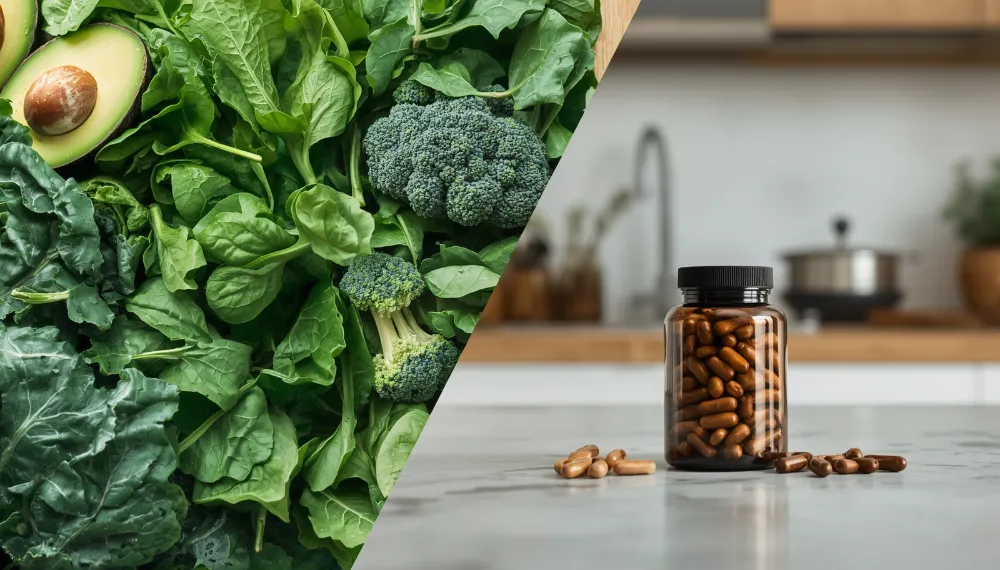
If you want a nutrition-first plan with the strongest evidence: combine a Portfolio-style pattern with 3 g/day oat β-glucan or ~10 g/day psyllium and, if appropriate, 1.5–3 g/day plant sterols/stanols. Re-test your lipids after 6–12 weeks to see your personal response. If risk is high or targets aren’t met, that’s where Cardiovascular Biologics can be life-saving partners rather than competitors.
Group Forums
Discuss these articles by joining a Group
Latest Posts




Plantz is owned by Million Media Ltd, a registered UK company number: 15476153
Info
Membership
Notices
- Terms & Conditions
- Delivery Terms
- Privacy Policy
- Publishing Principles