
Green Superfood Powders vs Capsules: Which Format Delivers Better Nutrient Absorption?
Discover how powder and capsule formats affect superfood nutrient absorption. Research reveals key differences in bioavailability and digestive uptake.
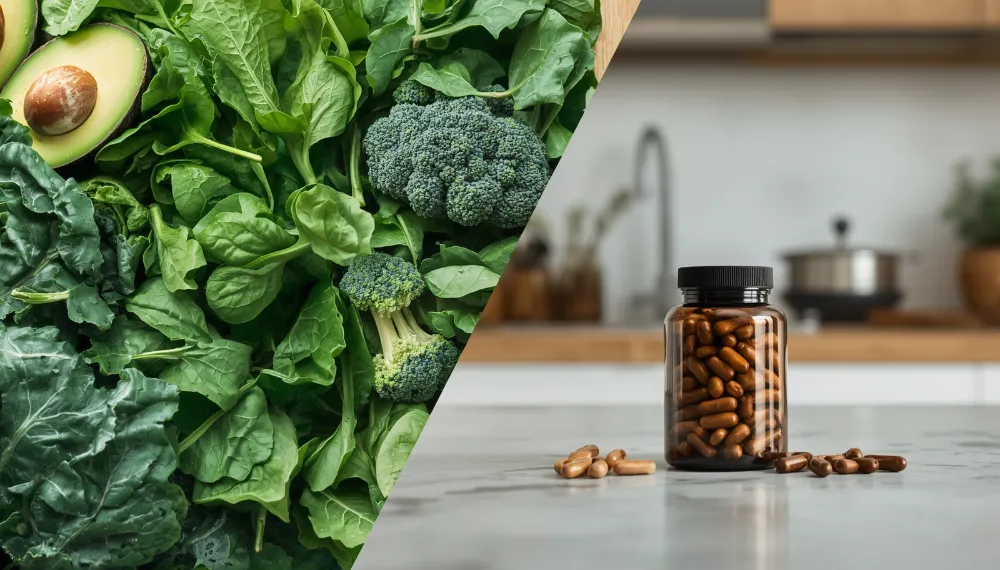
When you’re standing in the supplement aisle debating between that vibrant green powder and its capsule equivalent, you’re essentially choosing between two different delivery systems for the same nutrients. However, the format you select could significantly impact how your body absorbs and utilises those carefully sourced superfoods.
Understanding Nutrient Bioavailability in Superfood Formats
The absorption of nutrients from superfood greens depends largely on how they encounter your digestive system. Specifically, powder formats begin breaking down the moment they hit your saliva, releasing enzymes and initiating the digestive process immediately. In contrast, capsules must first dissolve in your stomach acid before nutrient release begins.
For example, chlorophyll-rich ingredients like spirulina and chlorella demonstrate enhanced bioavailability when consumed as powders. Research published in the Journal of Applied Phycology found that broken-cell-wall chlorella showed 23% better absorption when consumed in liquid form compared to encapsulated versions. Meanwhile, the study noted that stomach acid exposure time varied significantly between formats, with powders achieving faster nutrient release.
Interestingly, certain compounds behave differently depending on their delivery method. Polyphenols from acai and blueberry extracts, for instance, benefit from immediate oral cavity absorption, which only occurs with powder formats mixed in liquid.
How Stomach Acid Affects Superfood Powder vs Capsules Absorption
Your stomach’s acidic environment plays a crucial role in nutrient extraction from both formats. However, capsules face an additional hurdle that powders naturally bypass. The vegetarian HPMC capsule shell requires approximately 15-30 minutes to fully dissolve in stomach acid, delaying nutrient release.
During this dissolution period, stomach acid continues to fluctuate based on your meal timing and digestive state. Consequently, capsules consumed with meals may experience different dissolution rates compared to those taken on an empty stomach. Powders, meanwhile, immediately mix with whatever gastric conditions are present.
Furthermore, certain nutrients demonstrate pH sensitivity that affects their stability. For instance, vitamin C from acerola fruit and various plant enzymes can begin degrading in highly acidic conditions. Powder formats allow for quicker transit through the stomach, potentially preserving more of these delicate compounds.
The Convenience Factor in Superfood Powder vs Capsules
From a practical standpoint, capsules offer undeniable convenience for busy professionals. Specifically, they require no preparation, mixing, or cleanup, making them ideal for travel or office use. Additionally, capsules completely eliminate taste considerations, which can be significant given that many superfood blends have distinctly earthy or bitter flavours.
However, powders provide flexibility that capsules cannot match. For example, you can adjust your serving size based on daily needs, mix with different liquids to enhance absorption, or incorporate them into smoothies and recipes. Moreover, powders allow you to combine multiple supplements more easily, creating personalised nutritional protocols.
Timing also differs between formats. Powders work well when you want nutrients absorbed quickly, particularly pre-workout or first thing in the morning. Conversely, capsules provide a slower, more sustained release that some people prefer for steady energy throughout the day.
Clinical Evidence for Superfood Absorption Differences
Research specifically comparing powder versus capsule absorption in superfood blends remains limited. However, studies on individual components provide valuable insights. A 2019 study in Nutrients journal examined curcumin bioavailability from turmeric in different formulations, finding that powder forms showed 40% higher peak plasma concentrations compared to standard capsules.
Similarly, research on adaptogenic mushroom compounds suggests that powdered fruiting bodies demonstrate superior absorption rates. Specifically, a study on reishi mushroom beta-glucans found that powder preparations achieved higher bioavailability markers compared to encapsulated versions, likely due to improved surface area exposure to digestive enzymes.
Meanwhile, algae-based nutrients like spirulina show interesting absorption patterns. Research indicates that powdered spirulina mixed in slightly alkaline liquids (such as plant-based milk) enhances protein and phycocyanin absorption compared to capsule forms consumed with water.
Cost Considerations and Value Analysis
When comparing superfood powder vs capsules absorption alongside cost factors, powders typically offer better value per serving. However, this advantage depends on consistent usage and proper storage to prevent nutrient degradation.
Capsules command a premium price due to additional processing and packaging costs. Nevertheless, they may provide better long-term value for irregular users, as they maintain potency longer than powders exposed to air and moisture. Additionally, capsules eliminate waste from unused portions that sometimes occurs with powder formats.
Furthermore, consider the hidden costs of each format. Powders require suitable mixing equipment and storage containers, whilst capsules need no additional accessories. However, the convenience premium of capsules can add 20-40% to the cost per equivalent dose.
What to Look for in Quality Superfood Formulations
Regardless of format choice, certain quality markers indicate superior superfood blends. Specifically, look for organic certification from recognised bodies like the Soil Association, which ensures ingredients are free from synthetic pesticides and GMOs.
For mushroom components, fruiting body extracts provide superior nutrient density compared to mycelium-based alternatives. Additionally, broken-cell-wall chlorella and spirulina offer enhanced digestibility. Meanwhile, third-party testing for heavy metals and contaminants is essential, as many superfood ingredients can accumulate environmental toxins.
Standardisation matters less in whole-food superfood blends compared to single-herb extracts. However, reputable manufacturers should provide clear ingredient quantities and avoid proprietary blends that obscure actual dosages. Furthermore, ensure any powder formulation includes natural flavouring if taste palatability is important to your compliance.
Optimal Timing and Usage Strategies
The timing of your superfood intake can influence absorption regardless of format. For instance, consuming superfood powders with a small amount of healthy fats enhances absorption of fat-soluble vitamins and carotenoids. Similarly, avoiding coffee or tea within an hour of consumption prevents tannins from binding to minerals and reducing their bioavailability.
Morning consumption on an empty stomach works well for both formats, though powders may provide quicker energy release. Conversely, taking capsules with breakfast can improve tolerance for those sensitive to concentrated green ingredients. Additionally, splitting larger doses throughout the day optimises absorption and reduces potential digestive discomfort.
For powders, mixing with room-temperature or slightly cool liquids preserves enzyme activity better than hot beverages. Meanwhile, capsule users should ensure adequate hydration to support proper dissolution and nutrient transport.
At Plantz, we stock both GreeNourish Complete Powder and its capsule equivalent, MaxNourish, by Specialist Supplements. Both contain identical organic superfood profiles with 35+ whole food ingredients including medicinal mushroom fruiting bodies, chlorella, spirulina, and antioxidant-rich berries. The choice between formats ultimately depends on your lifestyle preferences and absorption priorities rather than nutritional content.
_This article is for educational purposes only and does not constitute medical advice. Always consult a healthcare professional before starting any new supplement or medication, especially if you have underlying health conditions._
Group Forums
Discuss these articles by joining a Group
Latest Posts





Plantz is owned by Million Media Ltd, a registered UK company number: 15476153
Info
Membership
Notices
- Terms & Conditions
- Delivery Terms
- Privacy Policy
- Publishing Principles