


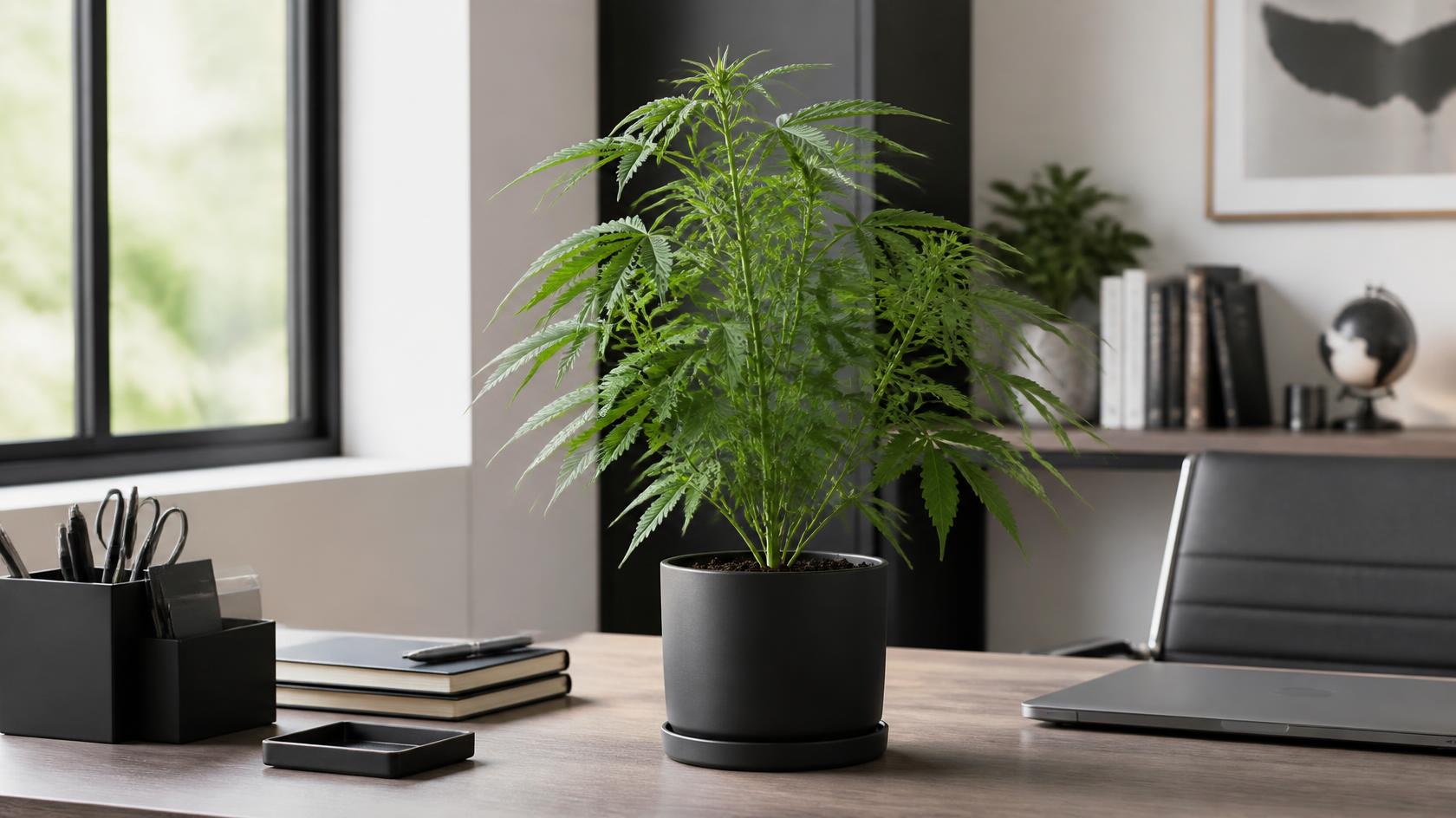


A research-led guide to plant compounds—tannins, menthol, eugenol, thymol, allicin, curcumin, EGCG, berberine—for soothing sore throat and antimicrobial, anti-inflammatory care.
If you’re searching for herbal products to help sore throat and other minor oral issues, evidence points to several plant compounds with soothing, antimicrobial, or anti‑inflammatory actions. Below is a concise, research‑led guide to key compounds, why they’re studied, and which plants contain them. This is educational information, not medical advice.
Why they’re studied: Astringent polyphenols that precipitate proteins on mucosal surfaces, creating a protective layer and reducing local irritation. Many also show antibacterial and anti‑biofilm effects relevant to plaque and inflamed tissue. Found in: Black tea (Camellia sinensis), sage (Salvia officinalis), witch hazel (Hamamelis virginiana), oak bark (Quercus spp.), raspberry leaf (Rubus idaeus).
Why it’s studied: A TRPM8 agonist that delivers a cooling sensation and mild local anaesthetic effect. It may ease throat discomfort and has modest antimicrobial activity in rinses and lozenges. Found in: Peppermint (Mentha × piperita), cornmint (Mentha arvensis).
Why it’s studied: A phenylpropanoid used in dentistry for its topical analgesic and antiseptic properties. It can inhibit voltage‑gated sodium channels and down‑regulate inflammatory mediators. Found in: Clove bud (Syzygium aromaticum), cinnamon leaf (Cinnamomum verum/cassia), holy basil (Ocimum tenuiflorum).
Why they’re studied: Phenolic monoterpenes that disrupt microbial membranes and inhibit oral biofilms (e.g., Streptococcus mutans, Candida). They also show anti‑inflammatory actions in gingival models. Found in: Thyme (Thymus vulgaris), oregano (Origanum vulgare).
Why it’s studied: A reactive organosulfur that targets thiol‑dependent enzymes in microbes. Studies report broad antibacterial and antifungal activity, including against oral anaerobes linked with halitosis. Found in: Garlic (Allium sativum).
Why it’s studied: Anti‑inflammatory and mucosa‑supportive effects via HMGB1 and 11β‑HSD pathways. Demulcent polysaccharides can coat irritated tissue; DGL forms reduce mineralocorticoid effects. Found in: Licorice root (Glycyrrhiza glabra).
Why it’s studied: A muco‑adhesive aloe polysaccharide that forms a protective film and supports epithelial repair. Clinical use has been explored for aphthous ulcers and therapy‑related mucositis. Found in: Aloe vera inner leaf gel (Aloe barbadensis Miller).
Why it’s studied: A polyphenol that modulates NF‑κB and COX‑2 pathways and counters oxidative stress. Trials have examined topical curcumin as an adjunct for aphthous ulcers and periodontal inflammation. Found in: Turmeric rhizome (Curcuma longa).
Why it’s studied: A catechin that inhibits glucosyltransferases in S. mutans, reducing plaque matrix formation. It also shows antibacterial and anti‑inflammatory effects relevant to oral tissues. Found in: Green tea (Camellia sinensis).
Why it’s studied: An isoquinoline alkaloid with broad antimicrobial and anti‑biofilm activity against periodontal pathogens, alongside anti‑inflammatory effects in oral models. Found in herbal products such as, Barberry (Berberis vulgaris), goldthread (Coptis chinensis), Oregon grape (Mahonia aquifolium).
Notes on evidence and safe use
Discuss these articles by joining a Group
Plantz is owned by Million Media Ltd, a registered UK company number: 15476153
We use cookies to improve your experience on our site. By using our site, you consent to cookies.
Manage your cookie preferences below:
Essential cookies enable basic functions and are necessary for the proper function of the website.
These cookies are used for managing login functionality on this website.
Statistics cookies collect information anonymously. This information helps us understand how visitors use our website.
Google Analytics is a powerful tool that tracks and analyzes website traffic for informed marketing decisions.
Service URL: policies.google.com (opens in a new window)
SourceBuster is used by WooCommerce for order attribution based on user source.
You can find more information in our Cookie Policy and Privacy Policy.