
Lavender for Anxiety: How a Garden Herb Ended Up in Clinical Trials
Clinical trials show standardized lavender oil performs as well as prescription anxiety medications without dependency or cognitive side effects.
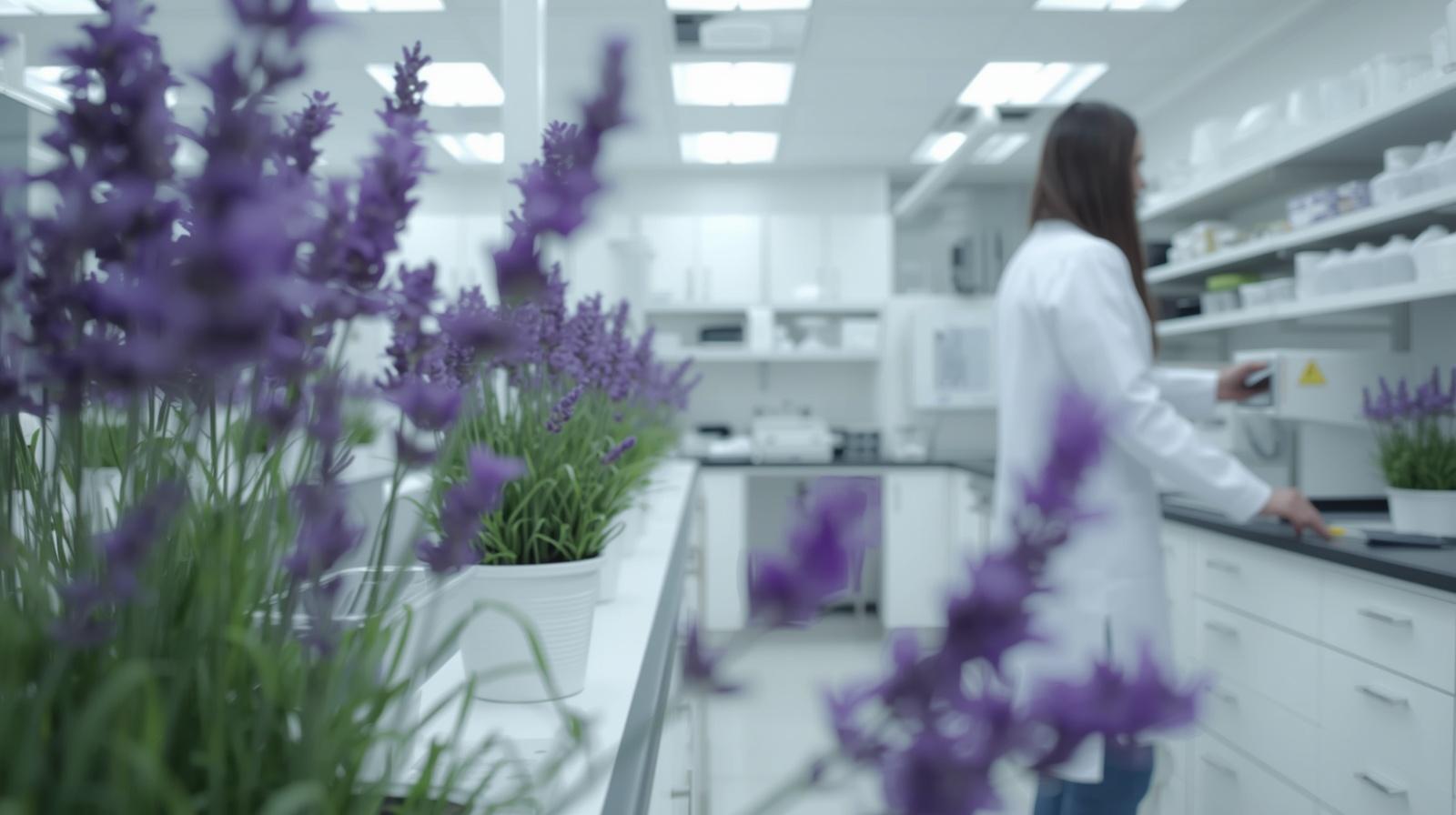
That familiar purple spike of lavender in your garden might seem like a gentle ornamental, but it’s been quietly making waves in anxiety research labs. While most of us associate lavender with bath products and sleep sachets, a specific preparation of lavender oil has been going head-to-head with prescription anxiety medications in clinical trials—and holding its own remarkably well.
From Folk Medicine to Pharmaceutical-Grade Research
Lavender’s journey from cottage garden to clinical setting began with researchers asking a simple question: could this traditionally calming herb actually measure up to modern anxiety treatments? The answer, it turns out, is surprisingly complex and depends entirely on which form of lavender we’re discussing.
The breakthrough came with Silexan (also known as Lavela WS 1265), a standardised oral lavender oil preparation that bears little resemblance to the essential oil you might diffuse at home. This pharmaceutical-grade extract contains specific concentrations of lavender’s active compounds—primarily linalool and linalyl acetate—that remain consistent from batch to batch, something crucial for meaningful research.
Research suggests that this standardised preparation may support anxiety management in ways that scattered folk use never quite captured. The key difference lies in standardisation, dosing, and delivery method—factors that transform lavender from pleasant aromatherapy into a measurable therapeutic intervention.
The Lorazepam Studies: When Herbs Meet Pharmaceuticals
Perhaps the most striking research comes from studies directly comparing Silexan to lorazepam, a commonly prescribed benzodiazepine. In a 10-week randomised controlled trial published in Phytomedicine, participants with generalised anxiety disorder received either 80mg of Silexan daily or 0.5mg of lorazepam.
The results challenged assumptions about herbal treatments. Both groups showed similar reductions in anxiety scores, but with a crucial difference: the lavender group experienced no dependency issues, withdrawal symptoms, or cognitive impairment—side effects commonly associated with benzodiazepines. Further studies have replicated these findings, suggesting that oral lavender oil may support anxiety management with a notably cleaner side effect profile.
What makes these trials particularly compelling is their methodology. These weren’t small pilot studies or observational research, but properly powered, double-blind, placebo-controlled trials—the gold standard for medical evidence.
Understanding the Mechanism: Beyond Just ‘Relaxation’
The traditional view of lavender as simply ‘calming’ undersells what’s actually happening in the brain. Research suggests that lavender’s active compounds may modulate calcium channels in the amygdala, the brain region central to fear and anxiety processing.
Specifically, studies indicate that linalool and linalyl acetate may influence voltage-gated calcium channels, potentially reducing excessive neuronal firing in anxiety circuits. This isn’t the same mechanism as benzodiazepines (which work on GABA receptors) or SSRIs (which affect serotonin), suggesting lavender may offer a complementary pathway for anxiety management.
This calcium channel modulation may explain why lavender appears particularly effective for the physical symptoms of anxiety—racing heart, muscle tension, and that characteristic ‘wound up’ feeling. Unlike aromatherapy effects, which primarily work through the olfactory system and psychological associations, oral lavender oil appears to create direct neurochemical changes.
Forms That Work (And Those That Don’t)
Here’s where the research gets specific about delivery methods, because not all lavender preparations are created equal:
Oral standardised preparations like Silexan show the strongest clinical evidence. These capsules contain precisely measured amounts of active compounds and bypass the variable absorption of inhaled aromatherapy.
Aromatherapy and diffusion may support mood and relaxation through psychological mechanisms, but research suggests the effects are milder and shorter-lasting than oral preparations. The concentration reaching your system through inhalation is significantly lower than therapeutic oral doses.
Lavender tea contains minimal amounts of the active compounds found effective in trials. While pleasant and potentially mildly relaxing, it’s unlikely to deliver anxiety benefits comparable to standardised preparations.
Topical applications may provide localised effects but don’t appear to achieve the systemic concentrations needed for anxiety management, based on current research.
The Safety Profile: Surprisingly Clean
One of lavender’s most appealing aspects for anxiety management is its safety profile. Clinical trials consistently report minimal side effects, with occasional mild gastrointestinal discomfort being the most common complaint—and even this affects fewer than 5% of users.
Unlike benzodiazepines, research suggests oral lavender oil doesn’t appear to cause dependency, withdrawal symptoms, or cognitive impairment. There’s no evidence of tolerance development, meaning the same dose continues working over time rather than requiring increases.
The herb shows no significant drug interactions in clinical studies, though as with any supplement, it’s worth discussing with healthcare providers, particularly if you’re taking other anxiety medications.
Practical Application: Using the Research
If you’re considering lavender for anxiety support, the clinical evidence points toward specific approaches. Look for standardised oral preparations containing 80mg of lavender oil (the dose used in most successful trials). These are available as supplements, though quality varies significantly between brands.
Taking lavender oil capsules with food may reduce any mild stomach upset, and effects typically become noticeable within 2-4 weeks of consistent use—similar to many conventional anxiety treatments.
The research suggests daily consistency matters more than timing, though some people prefer taking lavender in the evening due to its subtle relaxing effects.
What emerges from the clinical trials isn’t a miracle cure, but rather a well-researched option that may support anxiety management with fewer side effects than conventional alternatives. For someone seeking evidence-based natural approaches, lavender’s journey from garden herb to clinical trial subject offers genuine promise—provided you choose the right preparation and maintain realistic expectations about what any single intervention can achieve.
_This information is for educational purposes only and not intended as medical advice. Always consult healthcare professionals before starting new treatments, especially if you have existing medical conditions or take medications._
Group Forums
Discuss these articles by joining a Group
Latest Posts




Plantz is owned by Million Media Ltd, a registered UK company number: 15476153
Info
Membership
Notices
- Terms & Conditions
- Delivery Terms
- Privacy Policy
- Publishing Principles